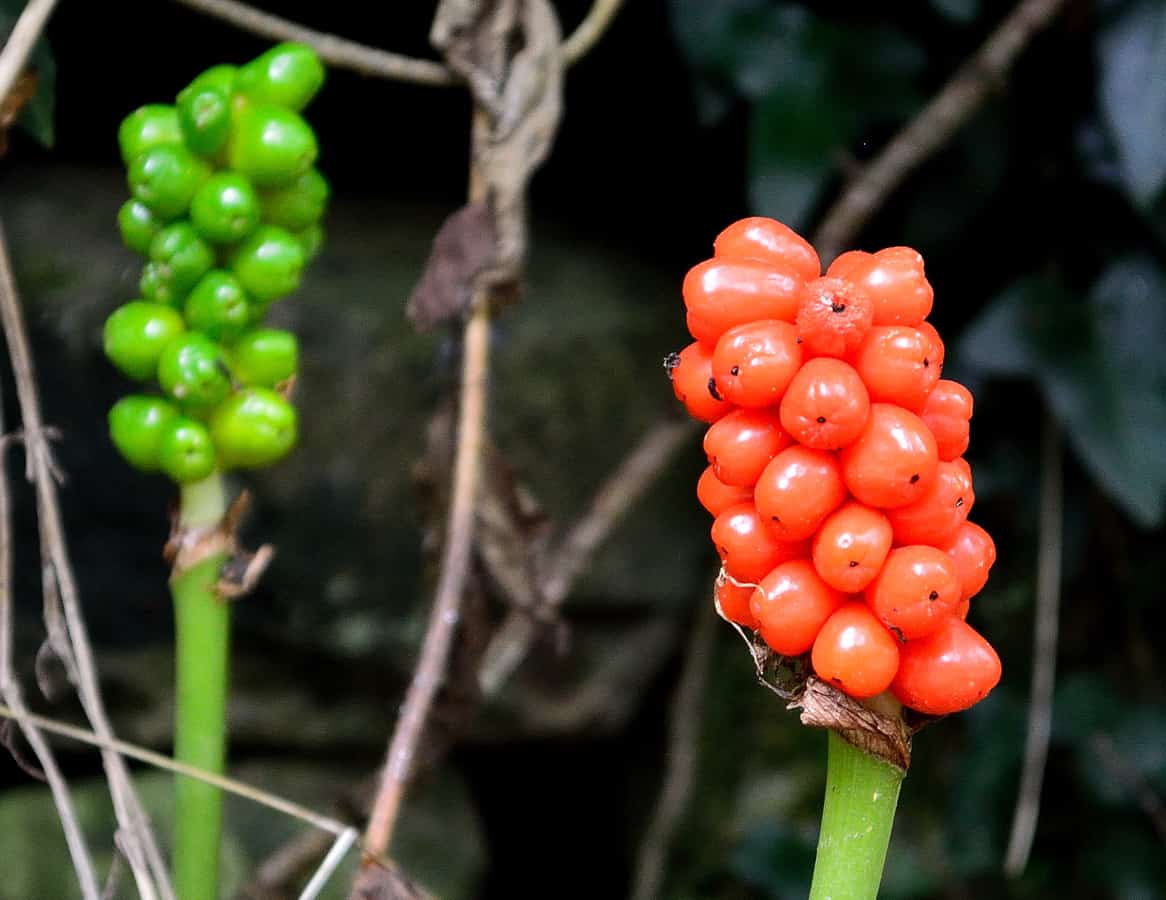
Is White Heads Poisonous to Cats and Dogs?
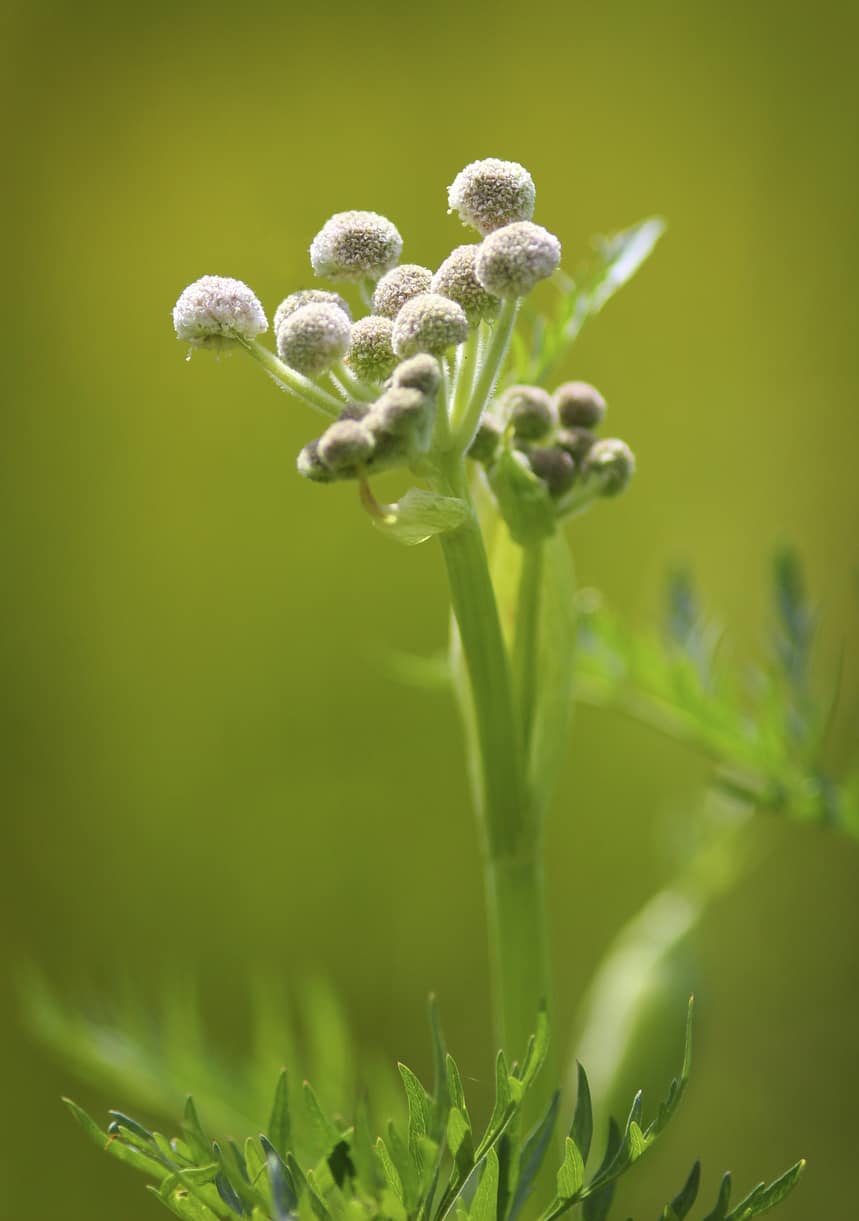
White Heads

The White Heads is poisonous for both cats and dogs. Typical symptoms include eye damage, ocular toxicity, loss of appetite, photosensitization and skin irritation. White Heads genus of flowering plants in the carrot family native to western North America. They are commonly found in moist habitat types, such as creeksides and meadows.  The scientific name … Read more

Is Variegated Wandering Jew Poisonous to Cats and Dogs?

Variegated Wandering Jew

The Variegated Wandering Jew is poisonous for both cats and dogs. Typical symptoms include conjunctivitis, dermatitis, itching of the skin, loss of fur, and redness around the eyes. Variegated Wandering Jew is perennial ground cover species of spiderwort native to South America. They are grown as a garden plant or houseplant in many places. Variegated Wandering Jew do not … Read more

Is Pieris Poisonous to Cats and Dogs?

Pieris

The Pieris is poisonous for both cats and dogs. Typical symptoms include cardiovascular collapse, coma, death, depression, diarrhea, hyper salivation, loss of coordination, low blood pressure, vomiting, and weakness. Pieris is a plant in the heather family, Ericaceae native to eastern China, Taiwan, and Japan . The flowers are white and borne in early spring. This … Read more

Is Climbing Lily Poisonous to Cats and Dogs?

Climbing Lily

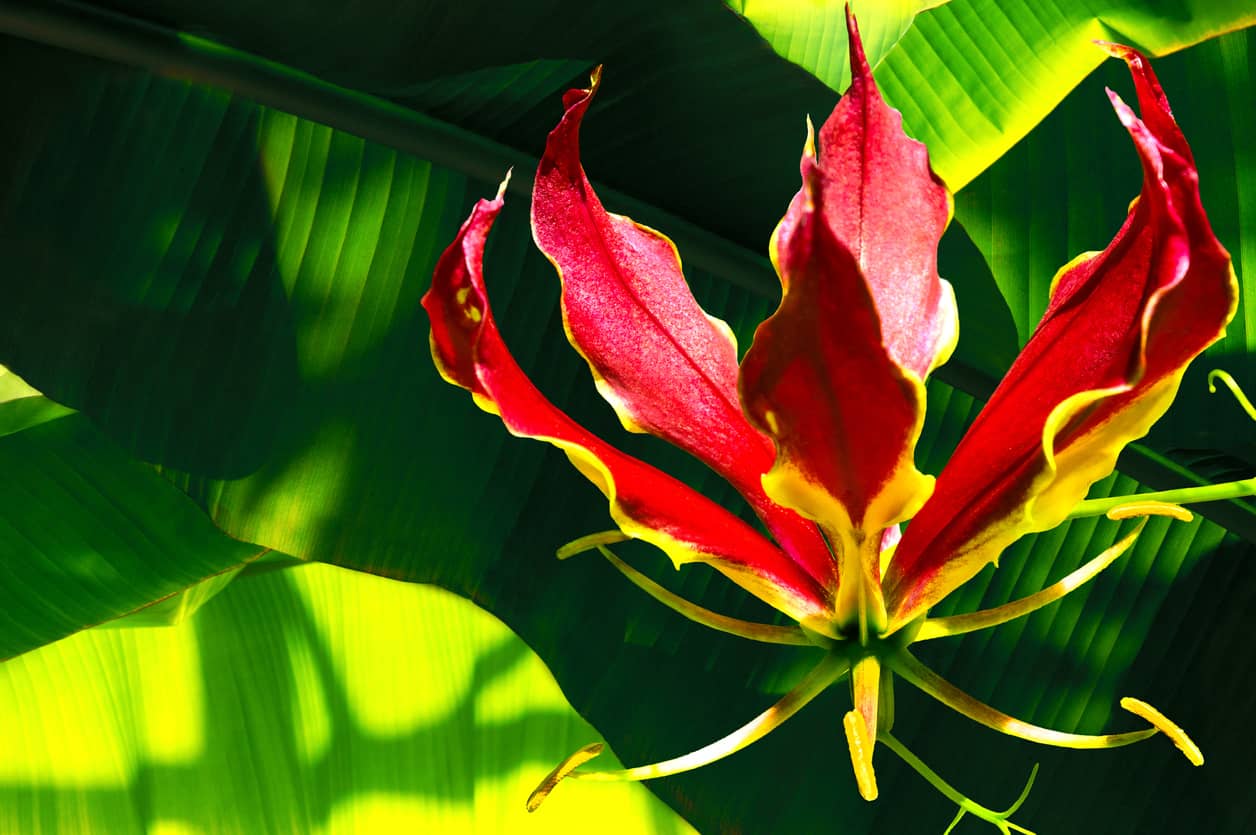
The Climbing Lily is poisonous for both cats and dogs. Typical symptoms include bone marrow suppression, diarrhea, halitosis, kidney failure, liver damage, polyuria, racing heart beat, salivation, shock, and vomiting. Climbing Lily is a perennial herb in the family Colchicaceae. It grows in many types of habitat such as thickets, sand dunes, tropical jungles, woodlands, grasslands … Read more

Is Jonquil Poisonous to Cats and Dogs?

Jonquil

The Jonquil is poisonous for both cats and dogs. Typical symptoms include abnormal breathing, cardiac arrhythmias, convulsions, diarrhea, drooling, increased heart rate, low blood pressure, salvation, tremors, and vomiting. Jonquil is a bulbous flowering plant, in the family Narcissus (daffodil) that is native to Spain and Portugal but has now become naturalized in many other … Read more

Is Flag Poisonous to Cats and Dogs?

Flag

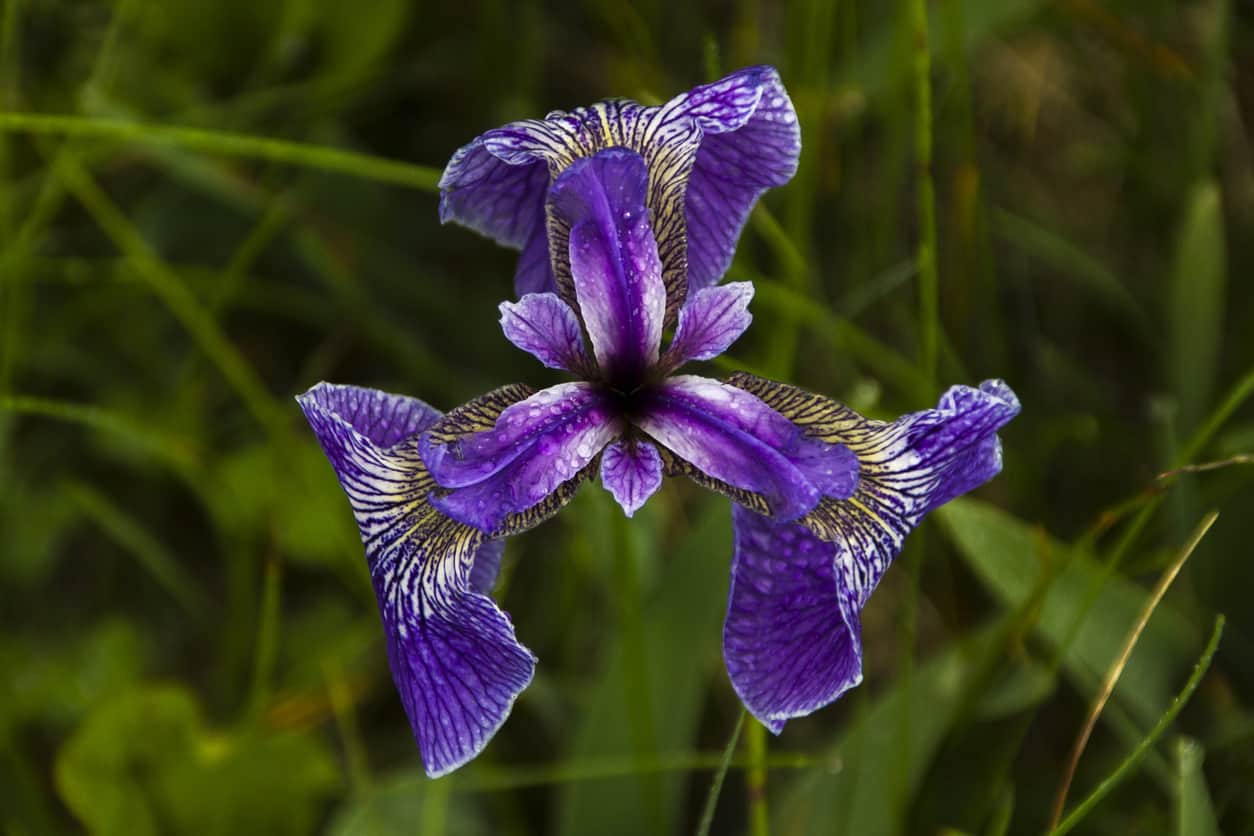
The Flag is poisonous for both cats and dogs. Typical symptoms include abdominal pain, diarrhea, drooling, lethargy, salivation, skin irritation, ulcers of the mouth, and vomiting. The flag is a popular garden flower. It is a genus of 260–300 species of flowering plants with showy flowers. Some state that the name refers to the wide … Read more

Is Red-Marginated Dracaena Poisonous to Cats and Dogs?

Red-Marginated Dracaena

The Red-Marginated Dracaena is poisonous for both cats and dogs. Typical symptoms include abdominal pain, depression, dilated pupils, drooling, inappetence, increased heart rate, incoordination, loss of appetite, staggering, vomiting, and weakness. Red-Marginated Dracaena is a genus of about 120 species of trees and succulent shrubs. It has also formerly been separated into the family Dracaenaceae … Read more

Is Medicine Plant Poisonous to Cats and Dogs?

Medicine Plant

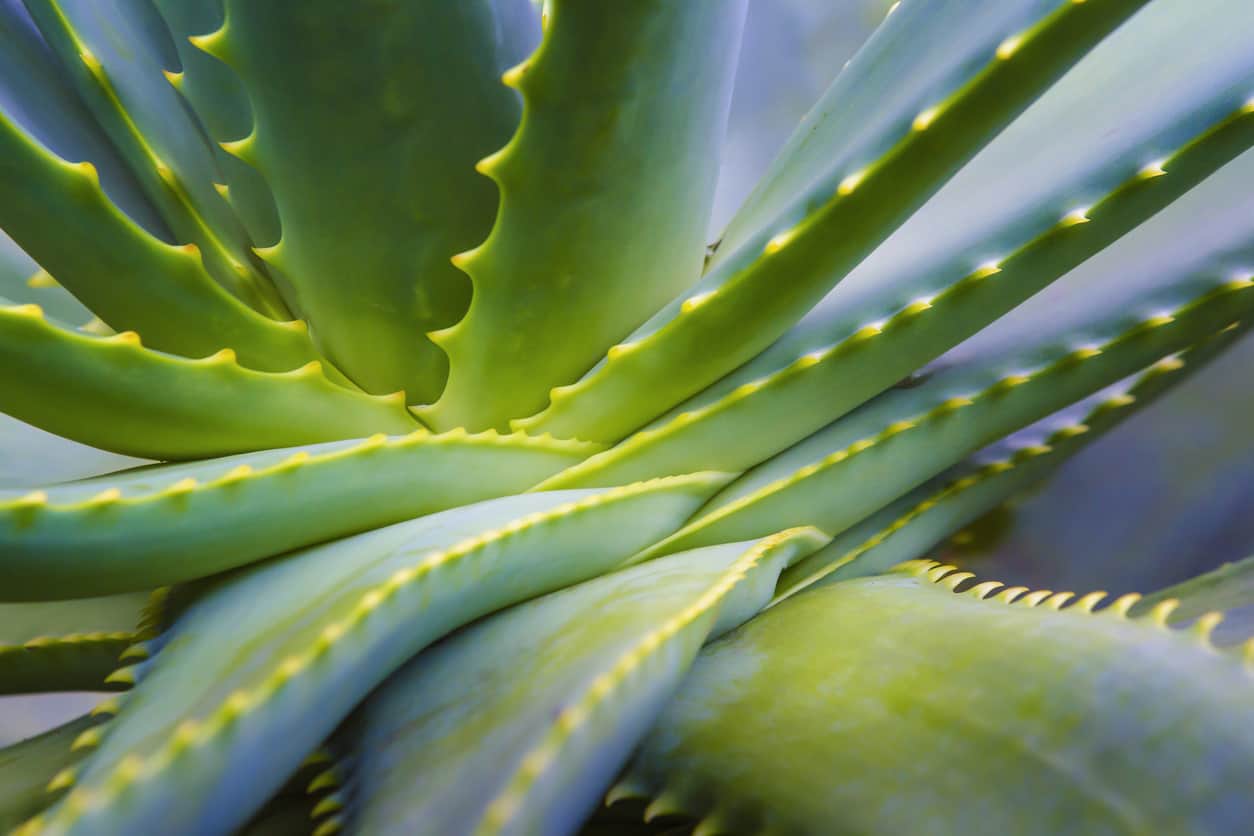
The Medicine Plant is poisonous for both cats and dogs. Typical symptoms include change in urine color, lethargy, nausea, tremors, and vomiting. The Medicine Plant is a genus containing over 500 species of flowering succulent plants. It is cultivated as the standard source of so-called “aloe vera” for assorted pharmaceutical purposes. Other species, such as … Read more

Is Indian Pink Poisonous to Cats and Dogs?

Indian Pink

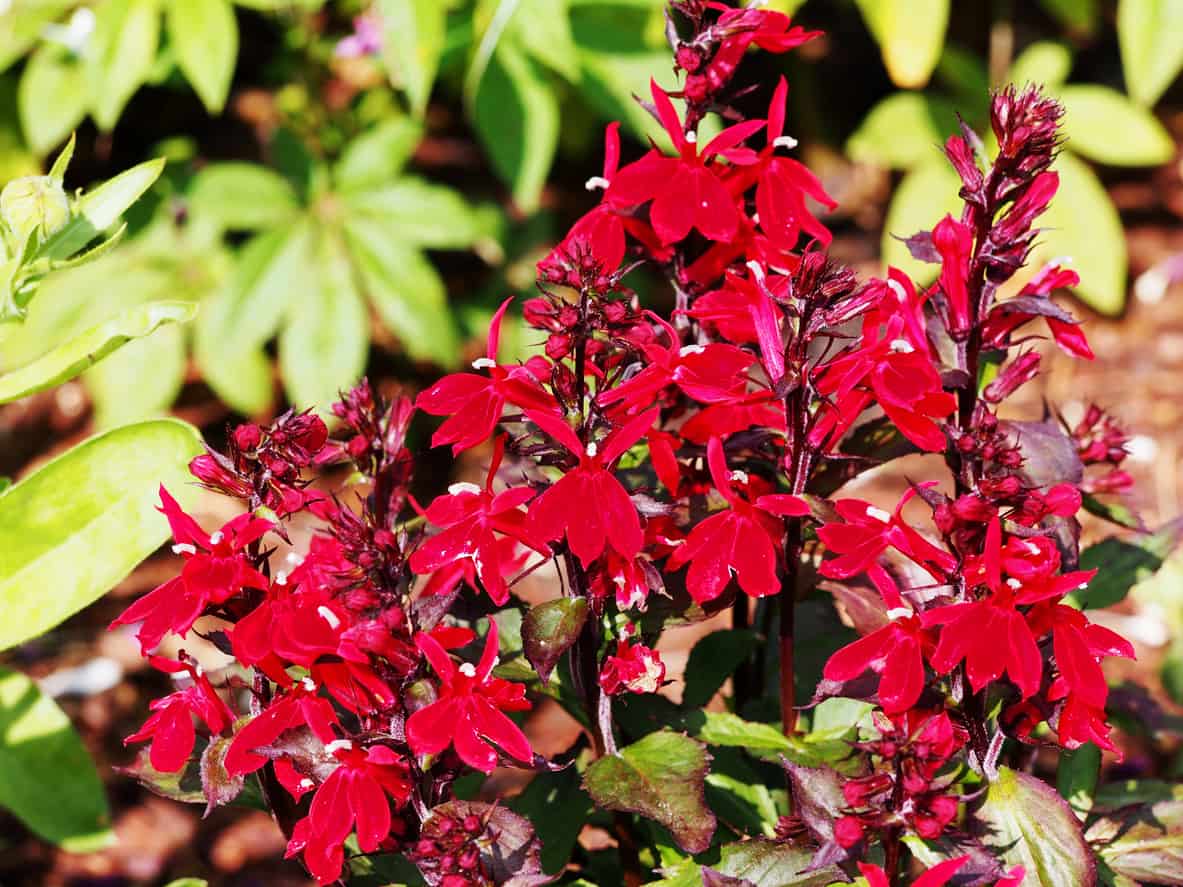
The Indian Pink is poisonous for both cats and dogs. Typical symptoms include abdominal pain, depression, diarrhea, drooping ears, excessive salivation, heart rhythm disturbances, nasal discharge, and vomiting. Indian Pink is a species of flowering plant native to the Americas. It belongs to the bellflower family Campanulaceae and is found in wet places, streambanks, and … Read more

Is Starch Root Poisonous to Cats and Dogs?

Starch Root

The Starch Root is poisonous for both cats and dogs. Typical symptoms include difficulty swallowing, drooling, excessive drooling, gagging, intense burning and irritation of mouth, tongue and lips, oral irritation, and vomiting. This plant is known by an abundance of common names and most are gender-related names. The Starch Root is a common woodland plant … Read more