Is Cuckoo-pint Poisonous to Cats and Dogs?

Cuckoo-pint

The Cuckoo-pint is poisonous for both cats and dogs. Typical symptoms include difficulty swallowing, drooling, excessive drooling, gagging, intense burning and irritation of mouth, tongue and lips, oral irritation, and vomiting. Cuckoo-pint is a common woodland plant species of the family Araceae. This plant is widespread across most of Europe. The plant should be handled … Read more

Is Plumosa Fern Poisonous to Cats and Dogs?

Plumosa Fern

The Plumosa Fern is poisonous for both cats and dogs. Typical symptoms include abdominal pain, allergic dermatitis, anorexia, diarrhea, and vomiting. Because of its multiple uses, the demand is constantly on the rise. But due to destructive harvesting, combined with habitat destruction, and deforestation, the plant is now considered “endangered” in its natural habitat. Plumosa … Read more

Is Gladiola Poisonous to Cats and Dogs?

Gladiola

The Gladiola is poisonous for both cats and dogs. Typical symptoms include bad breath, diarrhea, drooling, fainting, lethargy, salivation, slowed heartbeat, and vomiting. Gladiola contains about 300 species in the iris family Iridaceae. It is a native plant from Africa, Mediterranean Europe, and Asia. Gladiola has wide range of colors available from many varieties. The … Read more

Is Garlic Poisonous to Cats and Dogs?

Garlic

The Garlic is poisonous for both cats and dogs. Typical symptoms include anemia, breakdown of red blood cells, blood in urine, collapse, high heart rate, pale gums, panting, vomiting, and weakness. Garlic is a species in the onion genus, Allium, and close relatives with onion, shallot, leek, chive, and Chinese onion. The scientific name for … Read more

Is Superb Lily Poisonous to Cats and Dogs?

Superb Lily

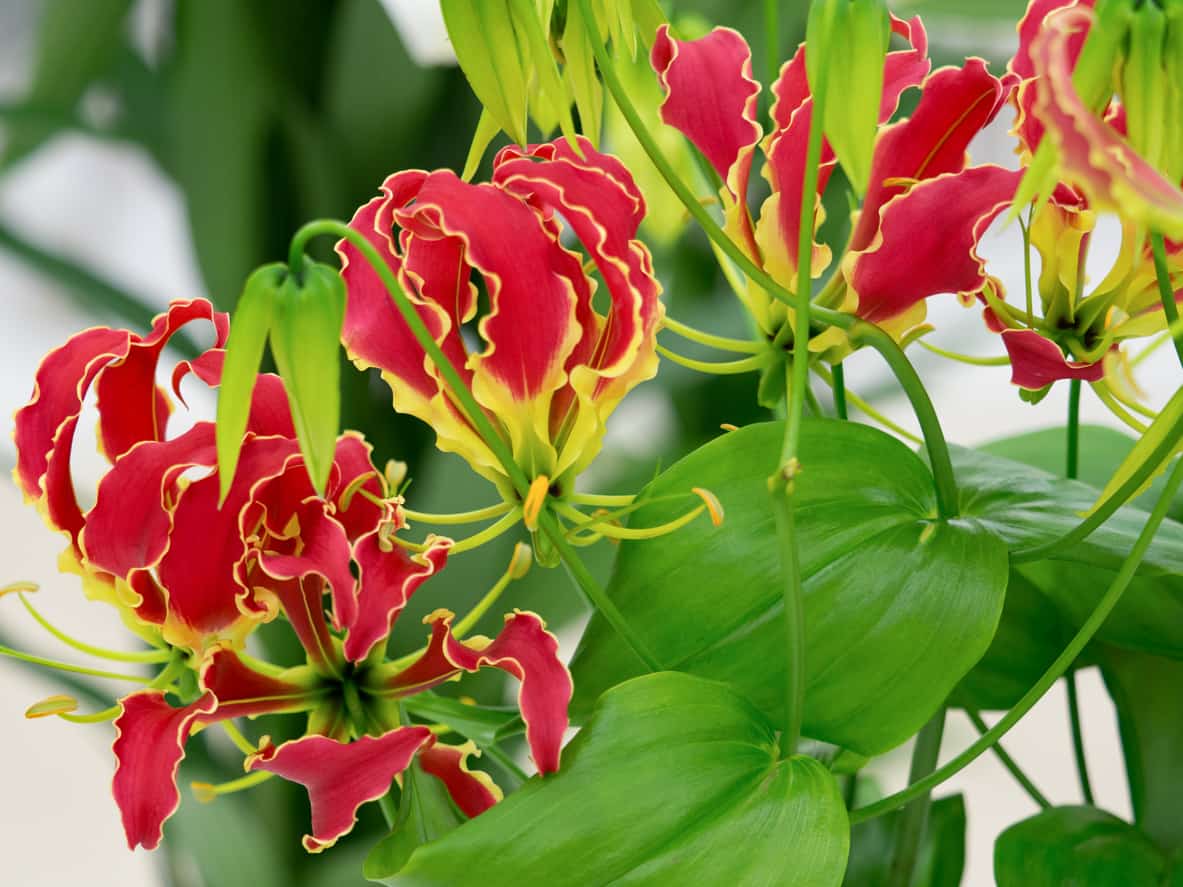
The Superb Lily is poisonous for both cats and dogs. Typical symptoms include bone marrow suppression, diarrhea, halitosis, kidney failure, liver damage, polyuria, racing heart beat, salivation, shock, and vomiting. Superb Lily is perennial herb growing from a fleshy rhizome in the family Colchicaceae. They grow up to 13-20 cm long. It is known to be … Read more

Is Periwinkle Poisonous to Cats and Dogs?

Periwinkle

The Periwinkle is poisonous for both cats and dogs. Typical symptoms include coma, death, depression, diarrhea, hypotension, incoordination, low blood pressure, seizures, tremors, and vomiting. Periwinkle is a source of the drugs vincristine and vinblastine used to treat cancer. They are in the family Apocynaceae native and endemic to Madagascar, but grown elsewhere as an … Read more

Is Calamondin Orange Poisonous to Cats and Dogs?

Calamondin Orange

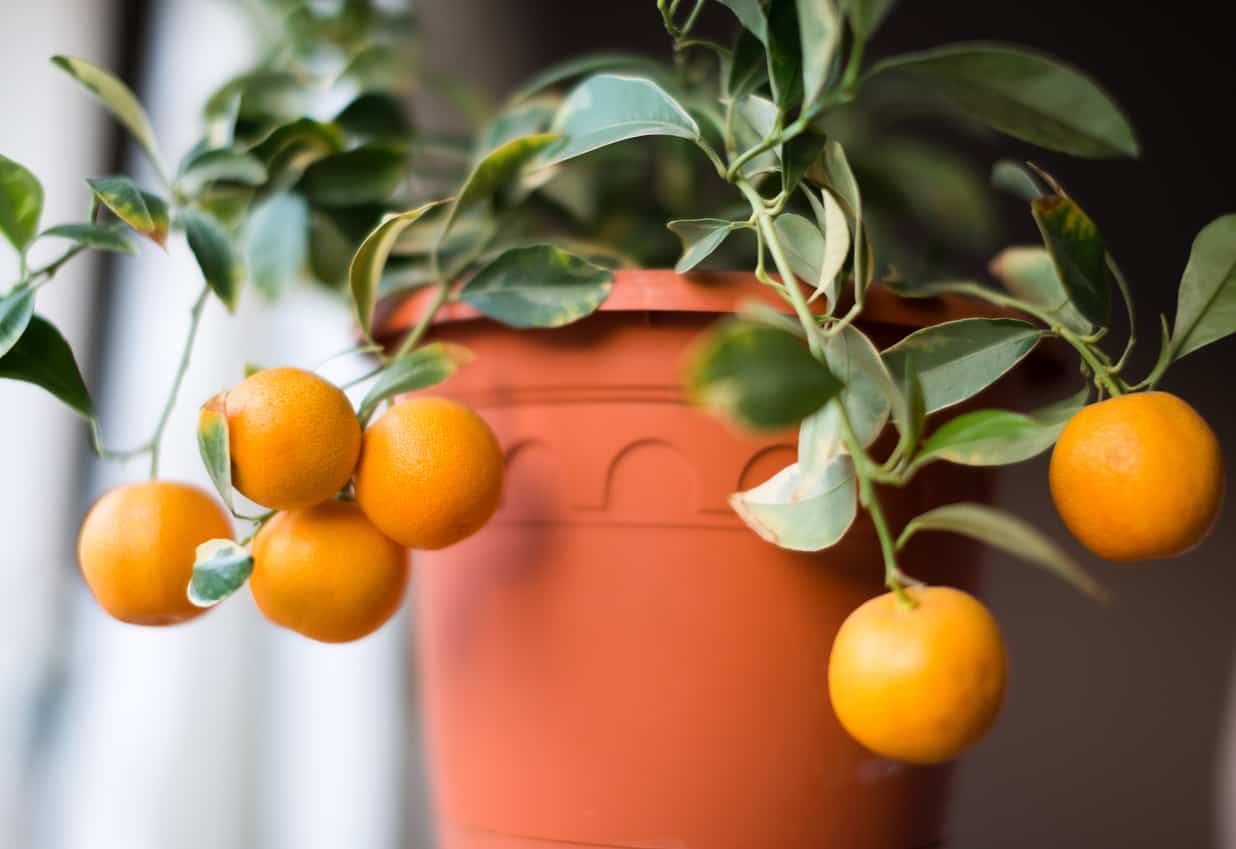
The Calamondin Orange is poisonous for both cats and dogs. Typical symptoms include depression, dermatitis, diarrhea, sensitivity to light, skin irritation, and vomiting. Calamondin Orange is an economically important citrus hybrid predominantly cultivated in the Philippines and surrounding areas in southern China, Taiwan, Borneo, and Sulawesi. It is ubiquitous in traditional Filipino cuisine and used … Read more

Is False Queen Anne’s Lace Poisonous to Cats and Dogs?

False Queen Anne’s Lace

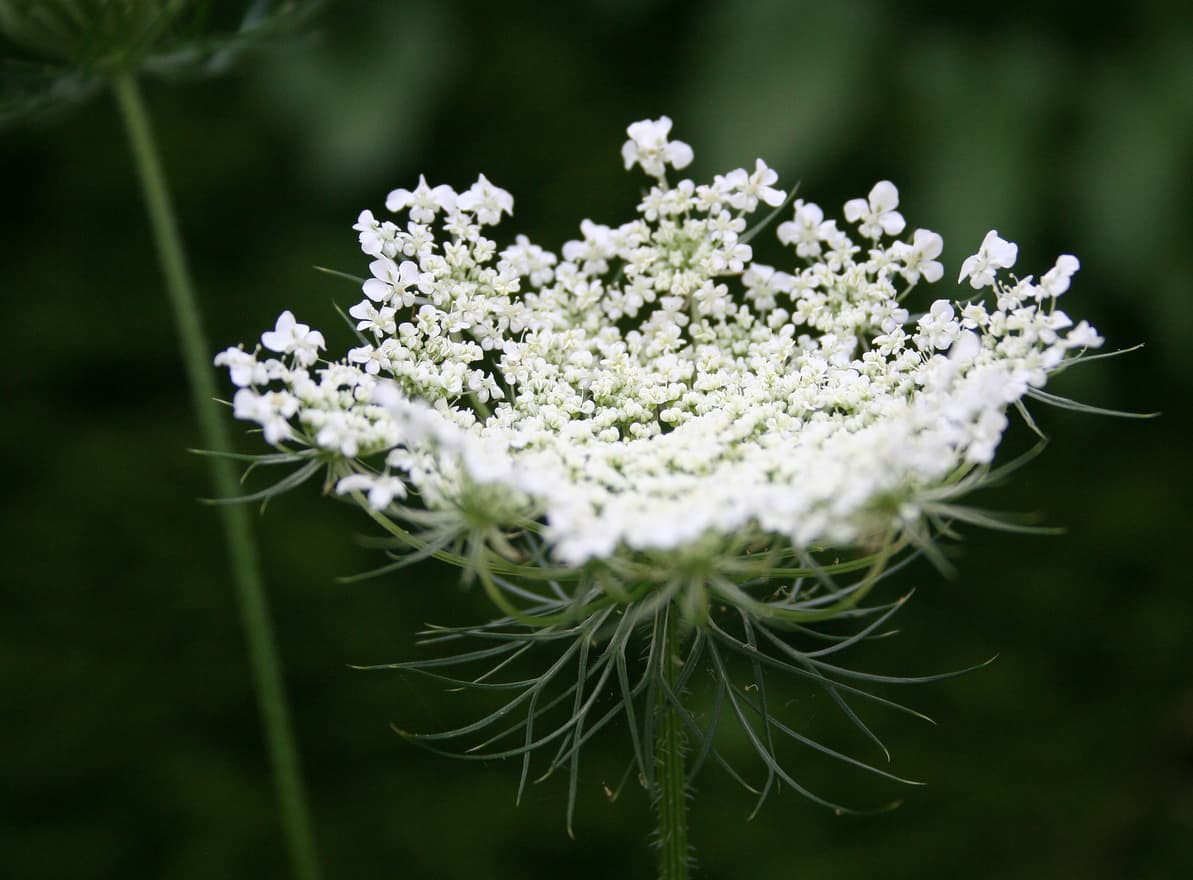
The False Queen Anne’s Lace is poisonous for both cats and dogs. Typical symptoms include blindness, conjunctival keratitis, cloudy cornea, photophobia, and photosensitization. False Queen Anne’s Lace is a member of the carrot family Apiaceae. The plant, which has white lace-like flower clusters, is native to the Nile River Valley. The scientific name for this … Read more

Is Elephant-Ear Begonia Poisonous to Cats and Dogs?

Elephant-Ear Begonia

The Elephant-Ear Begonia is poisonous for both cats and dogs. Typical symptoms include kidney failure, oral irritation, salivation, and vomiting. Elephant ear begonias are often used for container growing and also for hanging-baskets. They have large colourful flowers but are sensitive to cold. The scientific name for this plant is Begonia scharfii. Additional names for … Read more

Is Groundsel Poisonous to Cats and Dogs?

Groundsel

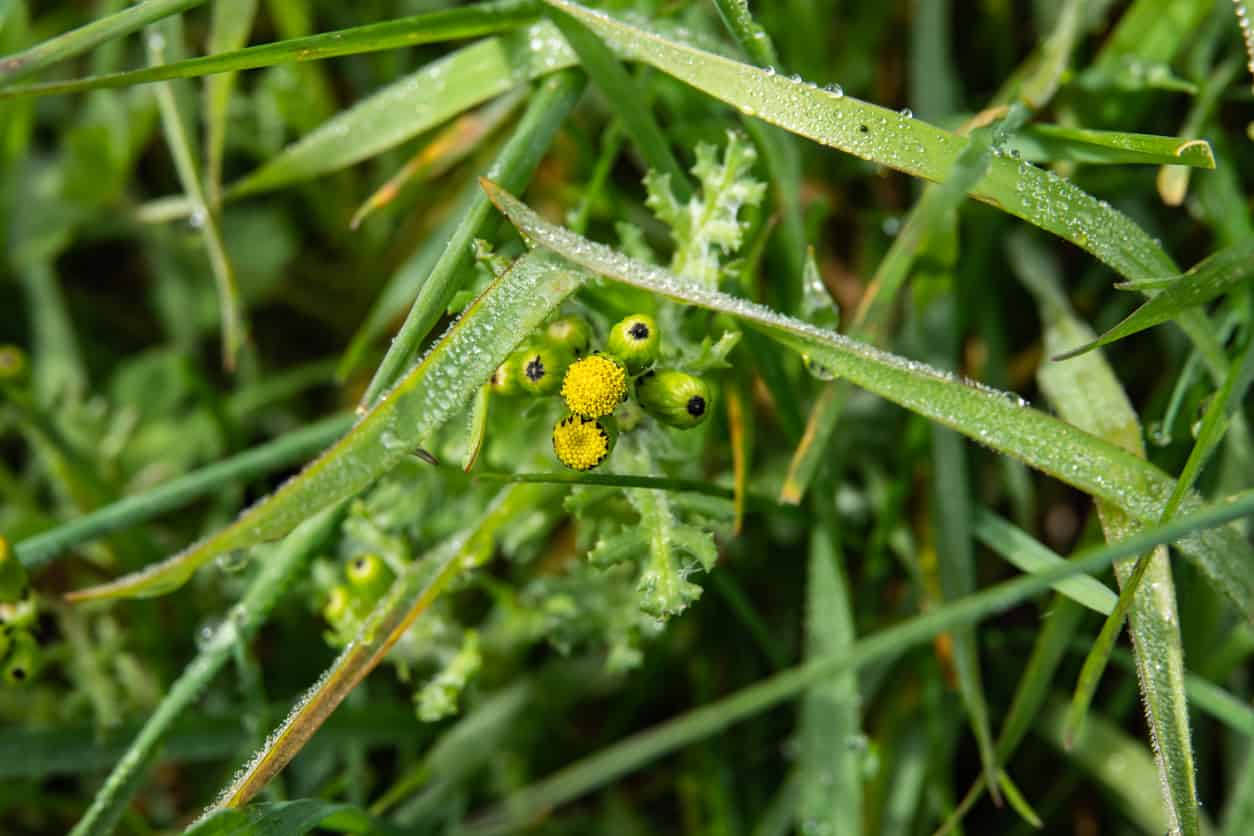
The Groundsel is poisonous for both cats and dogs. Typical symptoms include aimless walking, anorexia, ataxia, depression, diarrhea, incoordination, liver failure, muddy mucous membranes, sleepiness, vomiting, weakness, weight loss, and yawning. Groundsel is part of the daisy family of the genus Senecio. The scientific Latin genus name, Senecio, means “old man.” The scientific name for … Read more