Is Locust Poisonous to Cats and Dogs?

Locust

The Locust is poisonous for both cats and dogs. Typical symptoms include anorexia, arrhythmia, death, depression, diarrhea, difficulty breathing, kidney damage, vomiting, and weakness. Locust, commonly known in its native territory as black locust, is a medium-sized hardwood deciduous tree, belonging to the tribe Robinieae. It was introduced into Britain in 1636. This plant is … Read more

Is Common Privet Poisonous to Cats and Dogs?

Common Privet

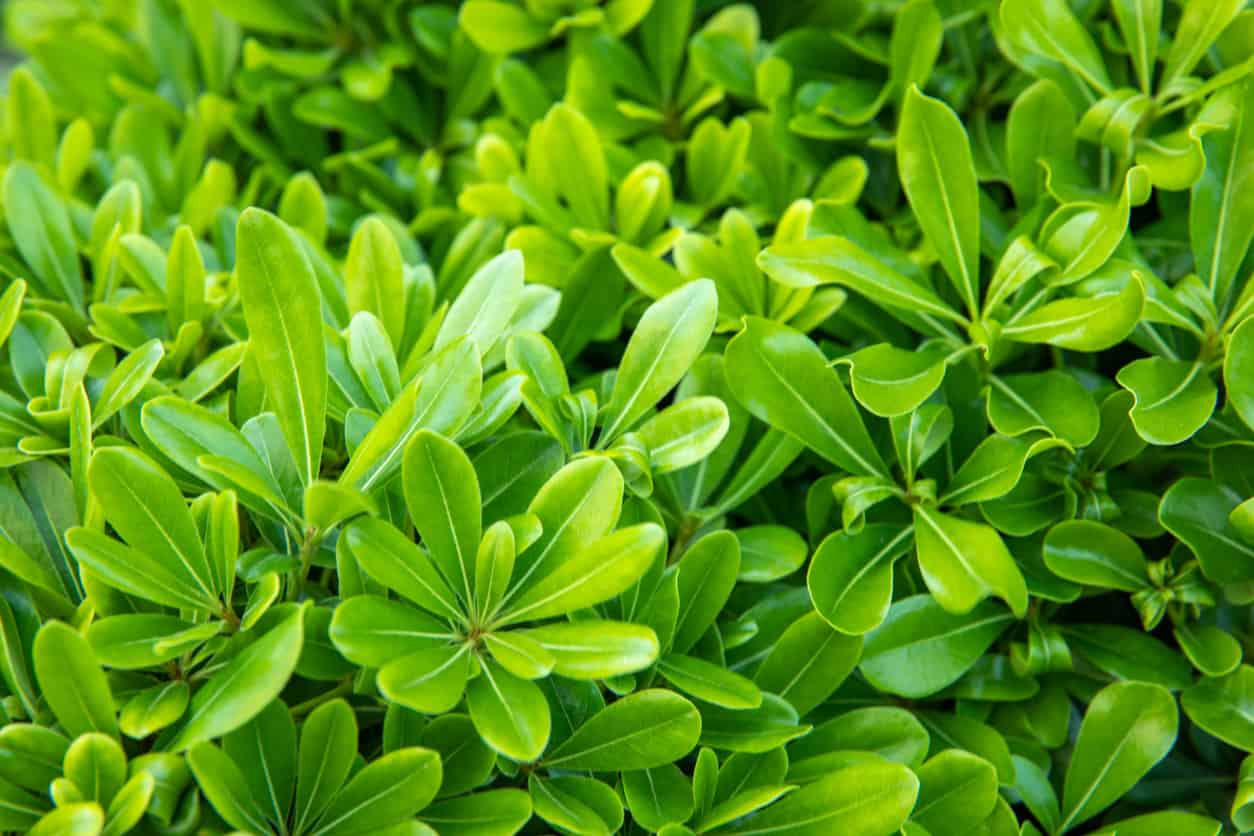
The Common Privet is poisonous for both cats and dogs. Typical symptoms include abdominal pain, colic, depression, diarrhea, drooling, refusal of food, and vomiting. The Common Privet is native to central and southern Europe, north Africa and southwestern Asia, from Ireland and southwestern Sweden south to Morocco, and east to Poland and northwestern Iran. The … Read more

Is Mauna Loa Peace Lily Poisonous to Cats and Dogs?

Mauna Loa Peace Lily

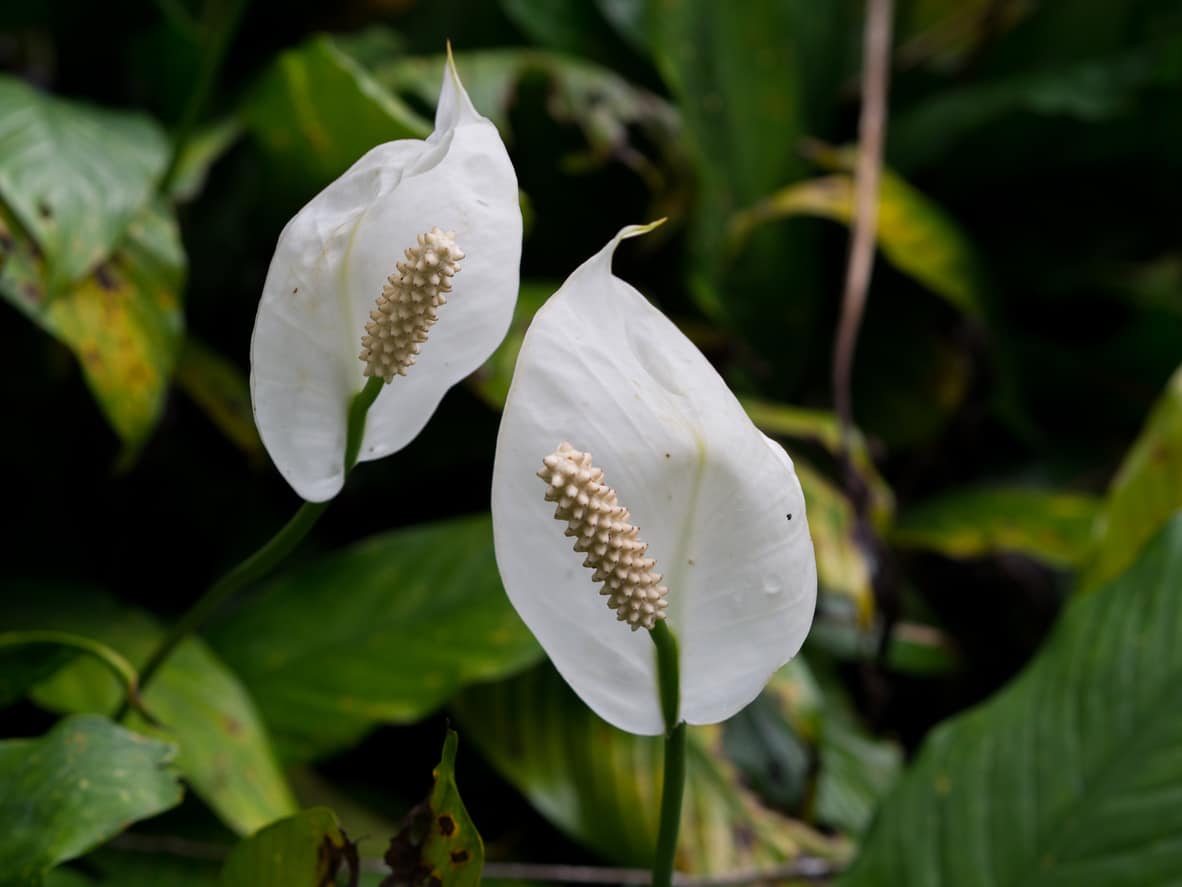
The Mauna Loa Peace Lily is poisonous for both cats and dogs. Typical symptoms include excessive drooling, difficulty swallowing, foaming in the mouth, increased salivation, oral irritation, pain and swelling of mouth, tongue and lips, and vomiting. The Mauna Loa Peace Lily is a genus of about 40 species of monocotyledonous flowering plants in the … Read more

Is Schefflera Poisonous to Cats and Dogs?

Schefflera

The Schefflera is poisonous for both cats and dogs. Typical symptoms include coma, convulsions, difficulty in swallowing, excessive drooling, intense burning and irritation of the mouth, lips, tongue, oral irritation, vomiting, and renal failure. Schefflera has an estimated 600-900 species of flowering plants in the family Araliaceae. Some species are grown in pots as houseplants. The … Read more

Is Cornstalk Plant Poisonous to Cats and Dogs?

Cornstalk Plant

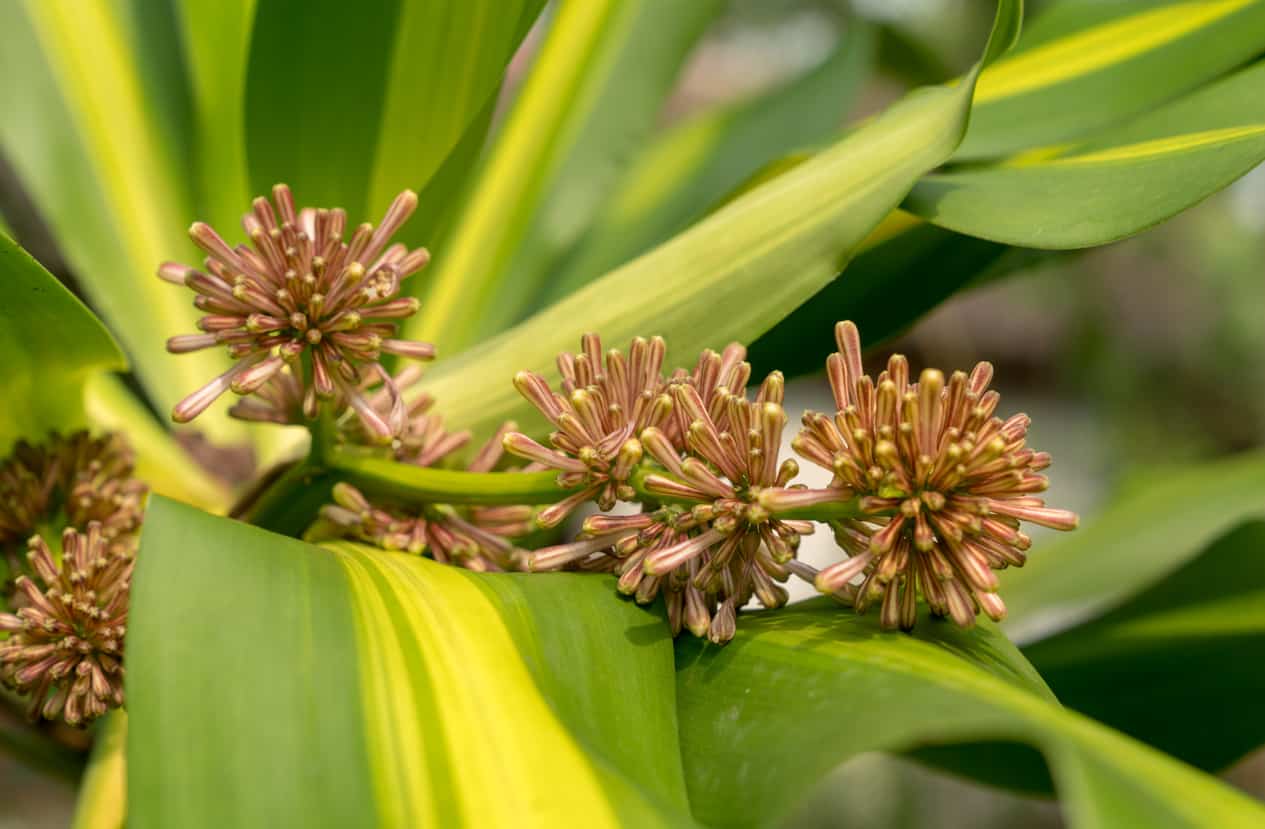
The Cornstalk Plant is poisonous for both cats and dogs. Typical symptoms include abdominal pain, anorexia, depression, dilated pupils, drunken appearance, hypersalivation, and vomiting. The cornstalk plant grows in upland regions at 600-2,250 m altitude. It is a flowering plant species that is native throughout tropical Africa, from Sudan south to Mozambique, west to CĂ´te … Read more

Is Mother of Millions Poisonous to Cats and Dogs?

Mother of Millions

The Mother of Millions is poisonous for both cats and dogs. Typical symptoms include abnormal heart rhythm, diarrhea, lethargy, vomiting, and weakness. Mother of Millions is a genus of about 125 species of tropical, succulent flowering plants in the family Crassulaceae. It is native to Madagascar and tropical Africa. It was one of the first … Read more

Is Lord-and-Ladies Poisonous to Cats and Dogs?

Lord-and-Ladies

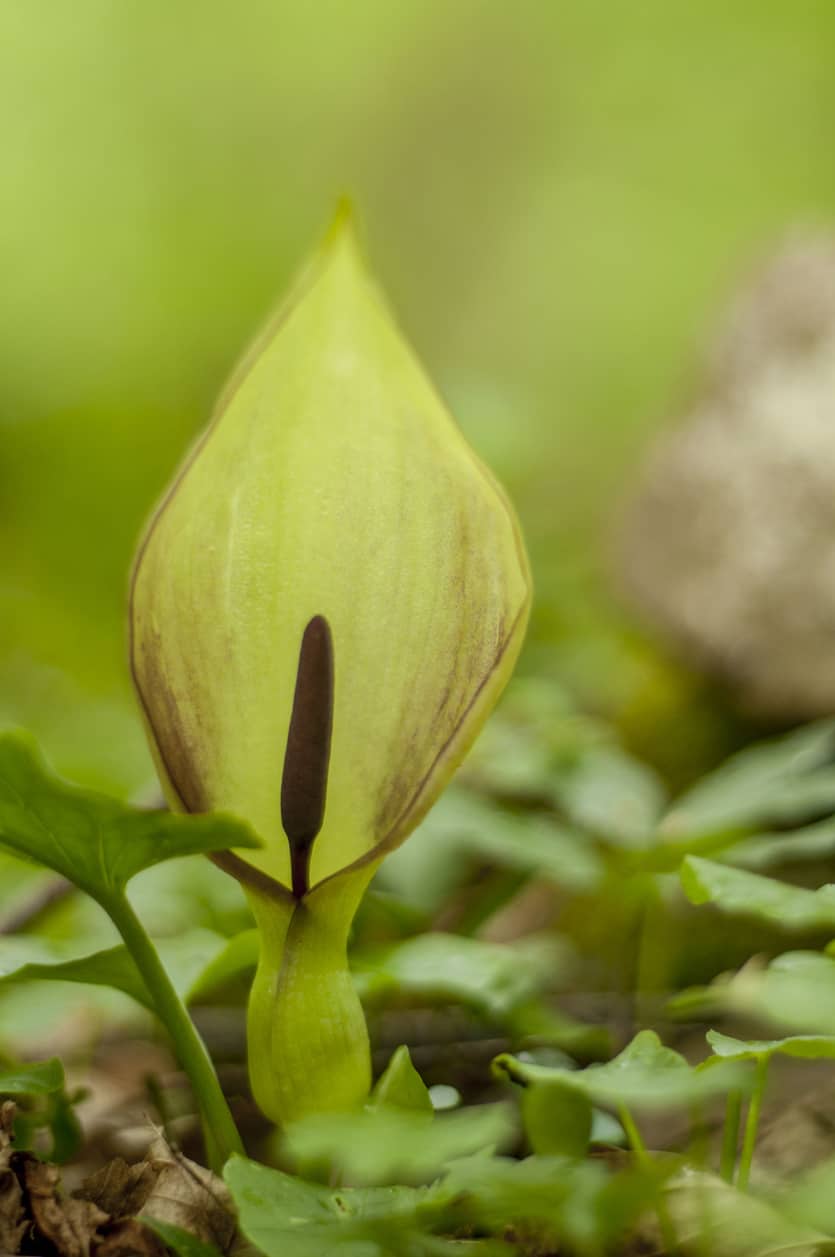
The Lord-and-Ladies is poisonous for both cats and dogs. Typical symptoms include difficulty swallowing, excessive drooling, intense burning and irritation of mouth, gagging, head shaking, tongue and lips, oral irritation, and vomiting. Lord-and-Ladies is a common woodland plant species of the family Araceae and is widespread across most of Europe, as well as Turkey and … Read more

Is Lemon Grass Poisonous to Cats and Dogs?

Lemon Grass

The Lemon Grass is poisonous for both cats and dogs. Typical symptoms include stomach upset, chronic cystitis, hind leg weakness, and urine leakage. Lemon grass, commonly known as West Indian lemon grass, is a tropical plant native to Maritime Southeast Asia and introduced to many tropical regions. The scientific name for this plant is Cymbopogon … Read more

Is Tiger Lily Poisonous to Cats?

Tiger Lily

The Tiger Lily is poisonous for cats. Typical symptoms include anorexia, death, inappetence, kidney failure, lethargy, polydipsia, and vomiting. The Tiger Lily is widely planted as an ornamental because of its showy orange-and-black flowers. It has become naturalized in numerous scattered locations in eastern North America. It is an Asian species of lily, native to … Read more

Is Lambkill Poisonous to Cats and Dogs?

Lambkill

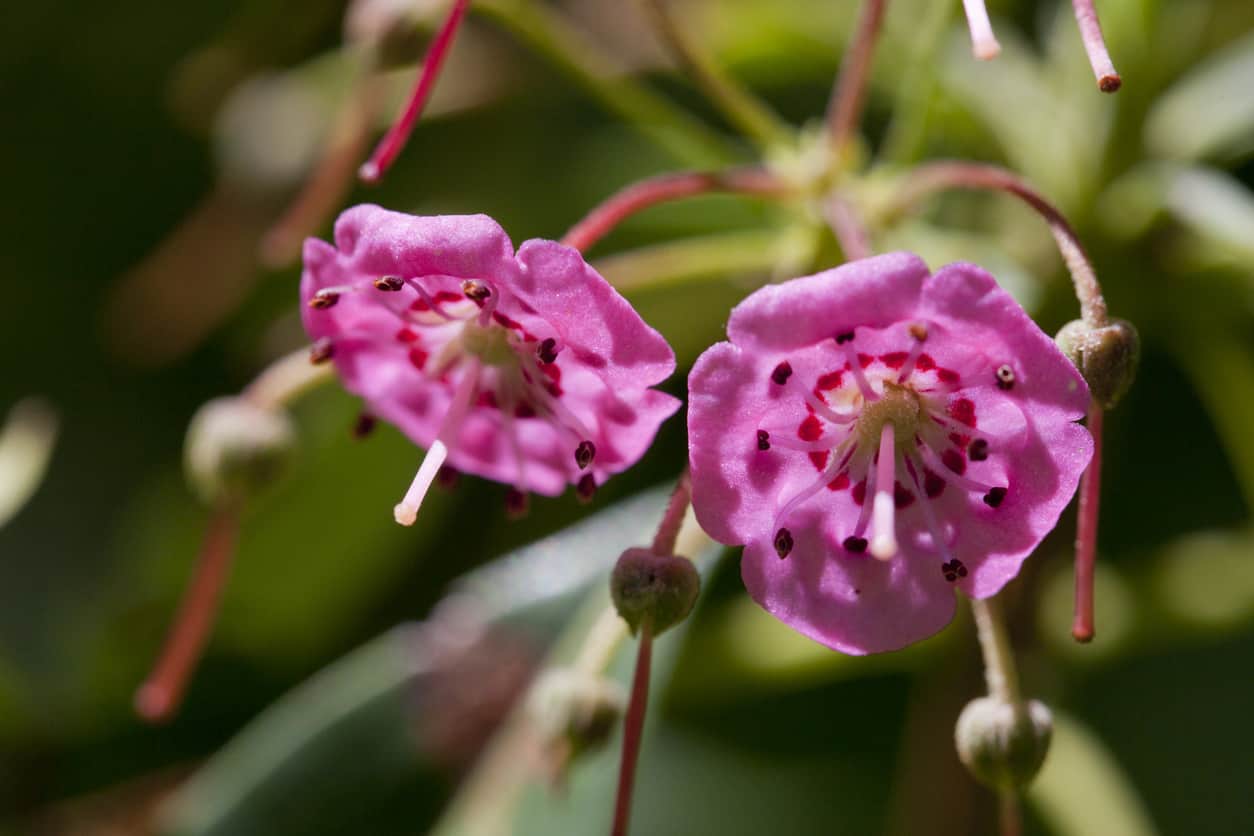
The Lambkill is poisonous for both cats and dogs. Typical symptoms include cardiac failure, dehydration, diarrhea, dizziness, drowsiness, excessive salivation, low blood pressure, perspiration, vomiting, and weakness. Lambkill is distributed in eastern North America from Ontario and Quebec south to Virginia. It grows commonly in dry habitats in the boreal forest, and may become dominant … Read more