Is Larkspur Poisonous to Cats and Dogs?

Larkspur

The Larkspur is poisonous for both cats and dogs. Typical symptoms include cardiac failure, colic, constipation, convulsions, death, drooling, increased salivation, labored breathing, muscle tremors, recumbency, stiffness, and weakness. Larkspur is a perennial flowering plants in the family Ranunculaceae which has about 300 species. It is native throughout the Northern Hemisphere and also on the … Read more

Is Cutleaf Philodendron Poisonous to Cats and Dogs?

Cutleaf Philodendron

The Cutleaf Philodendron is poisonous for both cats and dogs. Typical symptoms include difficulty swallowing, foaming of the mouth, hoarseness, intense burning and irritation of mouth, tongue and lips, excessive drooling, low energy, oral irritation, and vomiting. The Cutleaf Philodendron is a species of flowering plant native to tropical forests of southern Mexico, south to … Read more

Is Jack-in-the-pulpit Poisonous to Cats and Dogs?

Jack-in-the-pulpit

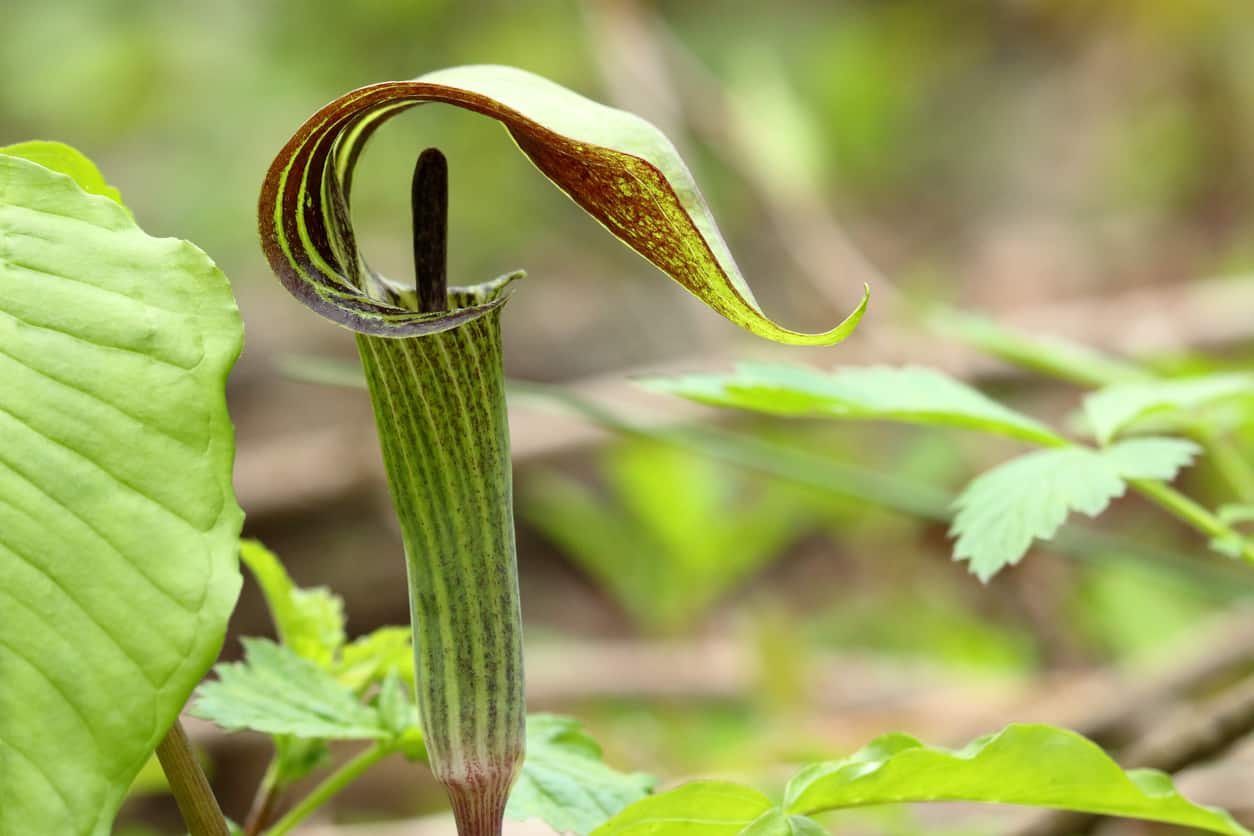
The Jack-in-the-pulpit is poisonous for both cats and dogs. Typical symptoms include difficulty drooling, swallowing, excessive drooling, inappetance, oral irritation, pain and swelling of mouth, tongue and lips, oral pain, and vomiting. The Jack-in-the-pulpit is a herbaceous perennial plant growing from a corm native to eastern North America. Jack-in-the-pulpit contains calcium oxalate crystals as raphides in all parts which … Read more

Is Japanese Show Lily Poisonous to Cats?

Japanese Show Lily

The Japanese Show Lily is poisonous for cats. Typical symptoms include death, dehydration, halitosis, hiding, inappetence, kidney failure, lethargy, and vomiting. The Japanese Show Lily is an East Asian species of plants in the lily family. It is native to southern Japan and southern China, where it can be found at elevations of 600–900 metres … Read more

Is Stinking Chamomile Poisonous to Cats and Dogs?

Stinking Chamomile

The Stinking Chamomile is poisonous for both cats and dogs. Typical symptoms include allergic reactions, anorexia, bleeding, contact dermatitis, diarrhea, loss of appetite, nausea, and vomiting. Stinking chamomile is a flowering annual plant with a noticeable and strong odor. In pre-colonial times, its distribution was limited to the Old Continent and Africa; though it was … Read more

Is American Bittersweet Poisonous to Cats and Dogs?

Is American Bittersweet Poisonous to Cats and Dogs

The American Bittersweet is poisonous for both cats and dogs. Typical symptoms include diarrhea, seizures, vomiting, and weakness. This plant’s roots were used by Native American to treat venereal disease, and symptoms of tuberculosis. American is a species of Celastrus that blooms mostly in June and is commonly found on rich, well-drained soils of woodlands. … Read more

Is Peace Lily Poisonous to Cats and Dogs?

Peace Lily

The Peace Lily is poisonous for both cats and dogs. Typical symptoms include excessive drooling, difficulty swallowing, foaming in the mouth, increased salivation, oral irritation, pain and swelling of mouth, tongue and lips, and vomiting. Peace Lily is an evergreen herbaceous perennial plants about 40 species native to tropical regions of the Americas and southeastern Asia. It … Read more

Is False Bittersweet Poisonous to Cats and Dogs?

Diarrhea, seizures, vomiting, weakness

The c is poisonous for both cats and dogs. Typical symptoms include diarrhea, seizures, vomiting, and weakness. False Bittersweet is sturdy perennial vine in a species of Celastrus. These fruits are poisonous to humans when consumed. But its roots were used by the Native Americans for medicinal purposes. Its flowers blooms mostly in June and … Read more

Is Rosebay Poisonous to Cats and Dogs?

Rosebay

The Rosebay is poisonous for both cats and dogs. Typical symptoms include acute digestive upset, cardiovascular collapse, colic, coma, death, depression, diarrhea, dizziness, excessive drooling, hyper salivation, hypotension, leg paralysis, loss of appetite, loss of coordination, recumbency, stupor, twitching, vomiting, weakness, and weak heart rate. Rosebay is the largest genus in the family Ericaceae with 1,024 … Read more

Is Skunk Cabbage Poisonous to Cats and Dogs?

Skunk Cabbage

The Skunk Cabbage is poisonous for both cats and dogs. Typical symptoms include difficulty swallowing, dyspnea, excessive drooling, oral irritation, pain and swelling of mouth, tongue and lips, and vomiting. The skunk cabbage or eastern skunk cabbage, is a low growing plant that grows in wetlands and moist hill slopes of eastern North America. Bruised … Read more