Is Charming Dieffenbachia Poisonous to Cats and Dogs?
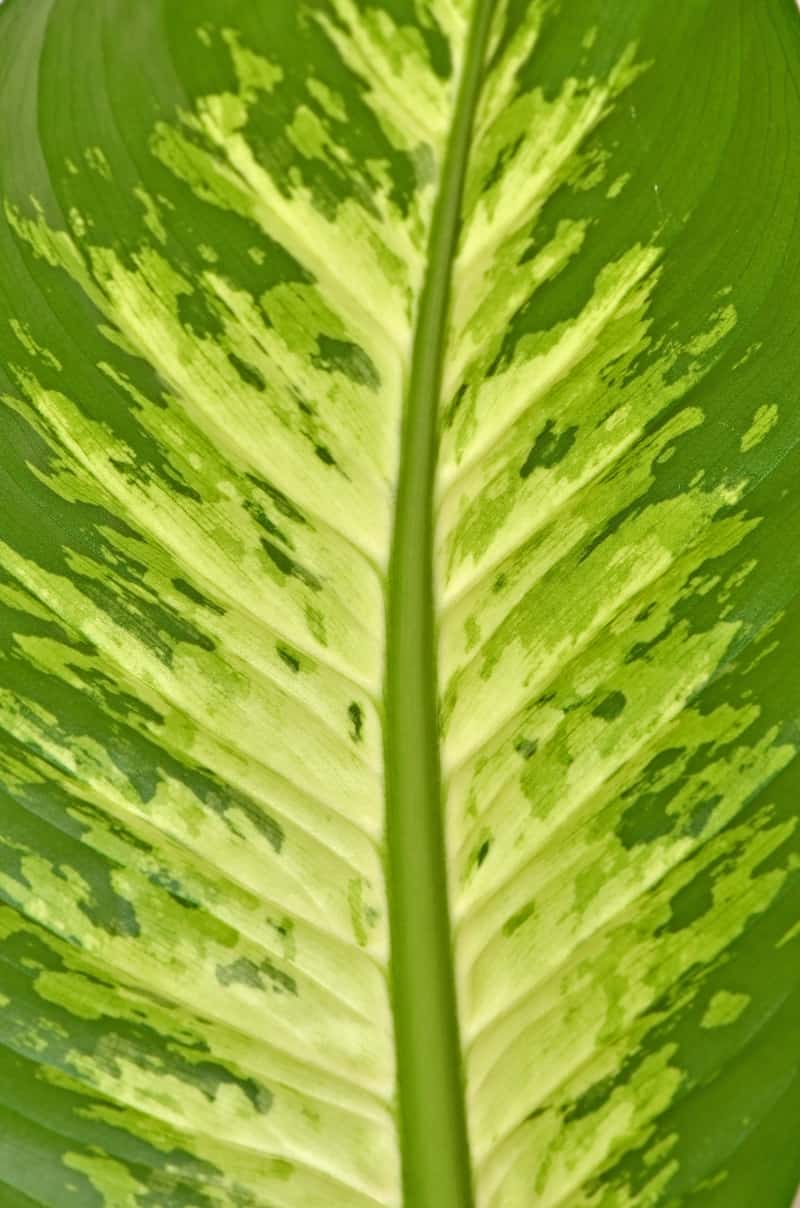
Charming Dieffenbachia

The Charming Dieffenbachia is poisonous for both cats and dogs. Typical symptoms include difficulty swallowing, drooling, irritation of mouth, pawing in the mouth and vomiting. Charming Dieffenbachia is a popular houseplant in the family Araceae. It can reach a height of 6 feet in favorable condition. Its sap is poisonous, leaves are oblong and large … Read more
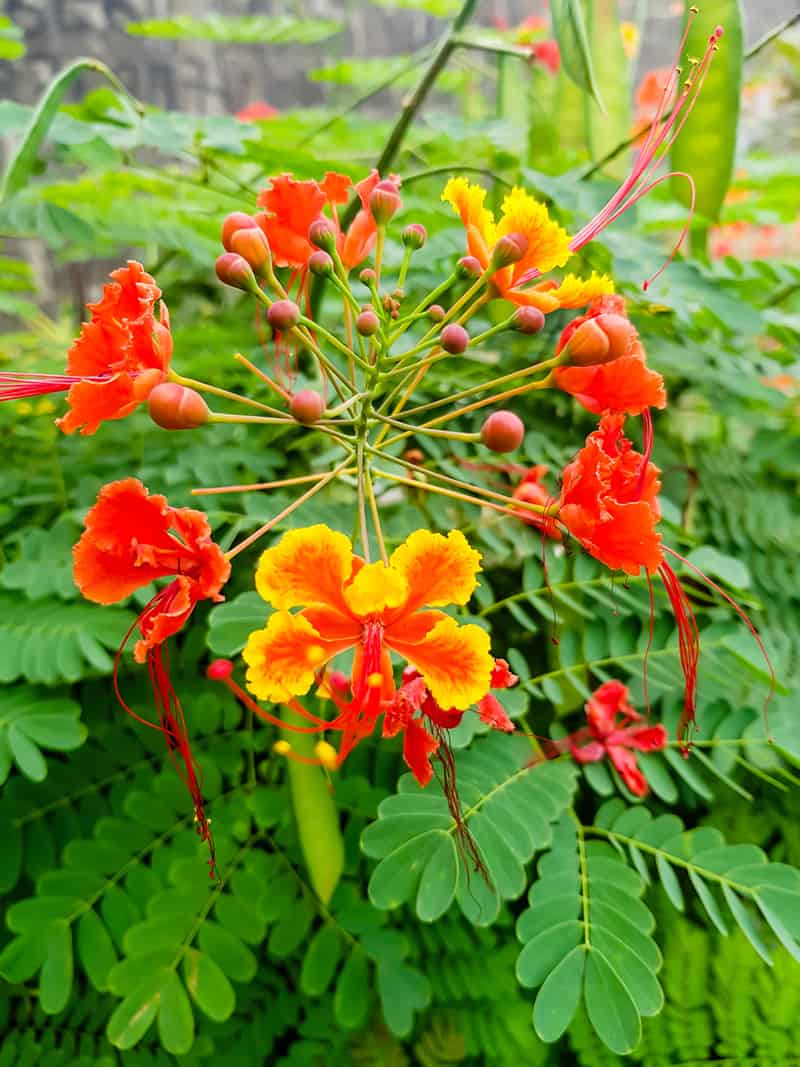
Is Dwarf Poinciana Poisonous to Cats and Dogs?

Dwarf Poinciana

The Dwarf Poinciana is poisonous for both cats and dogs. Typical symptoms include diarrhea, lethargy, loss of coordination, and vomiting. Dwarf Poincian is a species of flowering plant native to the tropical regions of the Americas. It is a shrub growing to 3 m tall in the pea family, Fabaceae. Commonly known as Mexican bird … Read more

Is Chives Poisonous to Cats and Dogs?

Chives

The Chives is poisonous for both cats and dogs. Typical symptoms include abdominal pain, blood in urine, hemolytic anemia, high heart rate, oral irritation, panting, vomiting and weakness. Chives are close relative to the vegetables we are familiar with such as the common scallion, onions, leek and garlic. It is an edible species used as … Read more

Is Azalea Poisonous to Cats and Dogs?

Azalea

The Azalea is poisonous for both cats and dogs. Typical symptoms include acute digestive upset, cardiovascular collapse, colic, coma, death, depression, diarrhea, dizziness, excessive drooling, hypersalivation, hypotension, leg paralysis, loss of appetite, loss of coordination, recumbency, stupor, twitching, vomiting, weakness, and weak heart rate. Azalea is the largest genus of woody plants in the family … Read more

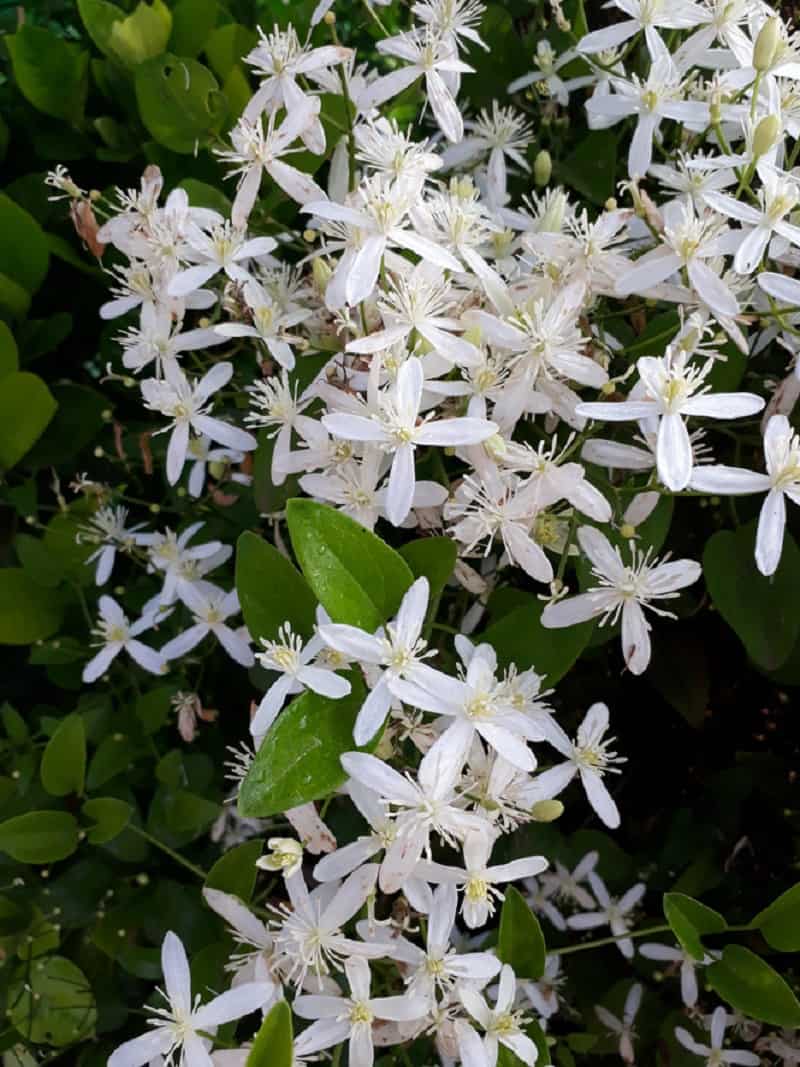
Is Virgin’s Bower Poisonous to Cats and Dogs?

Virgin's Bower

The Virgin’s Bower is poisonous for both cats and dogs. Typical symptoms include convulsion, delirium, diarrhea, drooling, salivation and vomiting. Virgin’s bower is mostly found throughout the temperate regions, rarely in the tropical countries. This genus has 300 species within the buttercup family, Ranunculaceae. The timing and location of flowers varies. Most species are known … Read more

Is Fire Lily Poisonous to Cats and Dogs?

Fire Lily Plant

The Fire Lily is poisonous for both cats and dogs. Typical symptoms include abdominal pain, cardiac arrhythmias, collapse, convulsions, diarrhea, low blood pressure, paralysis, tremors, salvation and vomiting. Fire Lily is  cultivars of perennial herbaceous bulbous plants. It has tall broad leaves, large red or purple flowers, evergreen, and has large fleshy bulbs. It  is … Read more

Is Caladium Poisonous to Cats and Dogs?

Caladium

The Caladium is poisonous for both cats and dogs. Typical symptoms include difficulty in swallowing, drooling, irritation of the mouth, lips, tongue, oral irritation, pawing and vomiting. Caladium is a perennial, tropical plant widely cultivated species in the family Araceae. It is believed to have been one of the earliest cultivated plants. Caladium is primarily … Read more

Is Cape Jasmine Poisonous to Cats and Dogs?

Cape Jasmine

The Cape Jasmine is poisonous for both cats and dogs. Typical symptoms include diarrhea, hives and vomiting. Cape Jasmine  is an evergreen flowering plant  that grows in warm temperate and subtropical climates particularly in Asia. It belongs in the coffee family Rubiaceae. It has fragrant white flowers and shiny green leaves. Cape Jasmine is widely … Read more

Is Chinese Jade Poisonous to Cats and Dogs?

Chinese Jade

The Chinese Jade is poisonous for both cats and dogs. Typical symptoms include depression, nausea, retching and vomiting. Chinese Jade is a species of succulent plant in the Crassulaceae family also known as money plant or money tree. It is native to Western Cape, South Africa. This is also suitable for growing indoors as a … Read more

Is Moss Rose Poisonous to Cats and Dogs?

Moss Rose

The Moss Rose is poisonous for both cats and dogs. Typical symptoms include depression, diarrhea, difficulty swallowing, kidney failure, muscle weakness and tremors. Moss Rose has smooth, reddish, stems and the leaves may be alternate or opposite. It belongs  in the family Portulacaceae extending from North Africa and Southern Europe.  It has yellow flowers that  … Read more