Is Purslane Poisonous to Cats and Dogs?

The Purslane is poisonous for both cats and dogs. Typical symptoms include depression, diarrhea, difficulty swallowing, kidney failure, muscle weakness and tremors. Purslane is an annual succulent that has leaves that are clustered at stem joints and ends and reddish, smooth mostly prostate stems. It belonged to the family Portulacaceae that grow up to 16 … Read more

Is American Yew Poisonous to Cats and Dogs?

The American Yew is poisonous for both cats and dogs. Typical symptoms include death, difficulty breathing, dilated pupils, drooling, dyspnea, muscular tremors, tremors and vomiting. American Yew is a sprawling shrub that thrives in swampy woods, ravines,  lake shores and riverbanks. It features thin scaly brown bark, leaves that are flat, dark and green. It … Read more

Is Deadly Nightshade Poisonous to Cats and Dogs?

The Deadly Nightshade is poisonous for both cats and dogs. Deadly Nightshade is derived from the genus Solanum, “the nightshade plant” which is maybe because of the resemblance of solanaceous flowers to the sun and its ray. This flowering plant belongs to the family Solanales, in the asterid group and class Magnoliopsida a it ranges … Read more

Is Kudu Lily Poisonous to Cats and Dogs?

The Kudu Lily is poisonous for both cats and dogs. Typical symptoms include anorexia, death, depression, diarrhea, dizziness, drooling, irregular heart beat, perspiration and vomiting. Kudu Lily is a drought-deciduous succulent shrub that could grow up to 3 meters tall with pachycaul stems and a stout, swollen basal caudex. It is native to the Sahel … Read more

Is English Yew Poisonous to Cats and Dogs?

The English Yew is poisonous for both cats and dogs. Typical symptoms include death, difficulty breathing, dilated pupils, drooling, dyspnea, muscular tremors, tremors and vomiting. English yew is an evergreen tree mainly cultivated as ornamental plant. This however is considered poisonous and consumption of the leaves can result in death. They are native to western, … Read more

Is Sago Palm Poisonous to Cats and Dogs?

The Sago Palm is poisonous for both cats and dogs. Typical symptoms include bruising, coagulopathy, death, hemorrhagic gastroenteritis, icterus, increased thirst, liver damage, liver failure, melena, paralysis, seizures, tremors and vomiting. Sago palm belong to the family Arecaceae, or cycads with a palm-like appearance. This plant species are used to produce sago, a starchy food … Read more

Is Water Hemlock Poisonous to Cats and Dogs?

The Water Hemlock is poisonous for both cats and dogs. Typical symptoms include bloat, cardic disfunction, death, diarrhea, dilated pupils, fever, panting, respiratory depression, seizures, stomach pain and tremors. Water Hemlock are perennial herbaceous plants native to temperate regions of the Northern Hemisphere, mainly North America and Europe. They could grow up to 8.2 ft  … Read more

Is Coontie Palm Poisonous to Cats and Dogs?

The Coontie Palm is poisonous for both cats and dogs. Typical symptoms include abdominal pain, bruising, dark stools, death, diarrhea, jaundice, increased thirst, liver failure and vomiting. Coontie Palm is a low growing plant that has reddish seed cones with a distinct acuminate. They may be small but are tough woody cycad of the West … Read more

Is Lobelia Poisonous to Cats and Dogs?

The Lobelia is poisonous for both cats and dogs. Typical symptoms include abdominal pain, depression, diarrhea, drooping ears, excessive salivation, heart rhythm disturbances, nasal discharge, vomiting Lobelia is a herbaceous flowering plant that features a bright red in an erect raceme that could grow up to 28 inches tall. The anceolate to oval leaves could … Read more

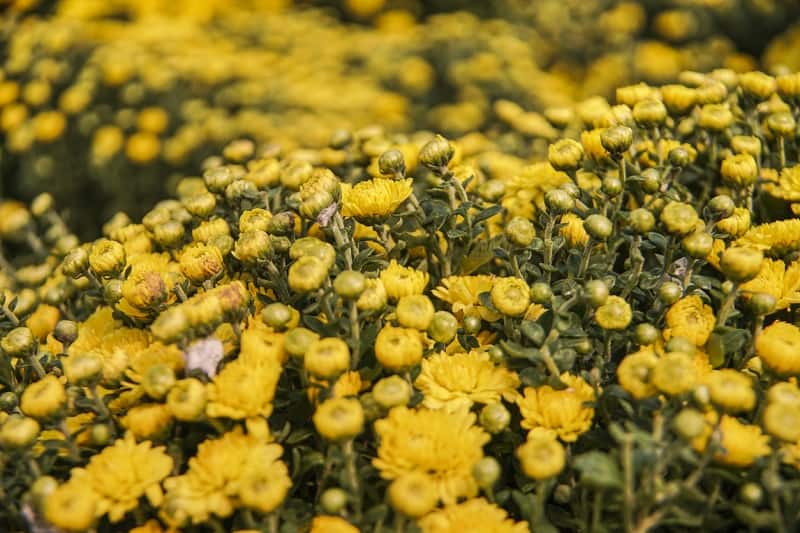
Is Mum Poisonous to Cats and Dogs?

The Mum is poisonous for both cats and dogs. Typical symptoms include dermatitis, diarrhea, drooling, hypersalivation, incoordination, loss of balance, lesions and vomiting. Mum is considered a favorite flower for the month of November. They are herbaceous perennial plants or subshrub that are part of the genus Chrysanthemum in the family Asteraceae. They are characterized … Read more