Is Rex Begonia Poisonous to Cats and Dogs?

The Rex Begonia is poisonous for both cats and dogs. Typical symptoms include inability to swallow, kidney failure, salivation, sores and vomiting. Rex Begonia are terrestrial herbs or undershrubs that growin subtropical and tropical moist climates, in South and Central America, Africa, and southern Asia. They feature bright colorful flowers and large and variously marked … Read more

Is Ridderstjerne Poisonous to Cats and Dogs?

The Ridderstjerne is poisonous for both cats and dogs. Typical symptoms include abdominal pain, cardiac arrhythmias, collapse, convulsions, diarrhea, low blood pressure, paralysis, tremors, salvation and vomiting. Ridderstjerne is a perennial herbaceous bulbous plant having tall broad evergreen leaves, purple or red flowers and large fleshy bulbs. It belongs to the family Amaryllidaceae and usually … Read more

Is Dahlia Poisonous to Cats and Dogs?

The Dahlia is poisonous for both cats and dogs. Typical symptoms include dermatitis, gastrointestinal signs, nausea, refusal to eat, lethargy, loss of coordination, skin irritation and vomiting Dahlia is a perennial plant that belongs to the Asteraceae family of dicotyledonous plants. They are commonly cultivated as garden plants and a few of its relatives include … Read more

Is Lime Poisonous to Cats and Dogs?

The Lime is poisonous for both cats and dogs. Typical symptoms include ataxia, depression, dermatitis, diarrhea, hypothermia, trembling and vomiting. Lime is characterized with higher acidity and stronger aroma compared to others. It is comparatively smaller that could only grow up to 2 in diameter. The fruit is color green but turns yellow when ripens. … Read more

Is Rock Moss Poisonous to Cats and Dogs?

The Rock Moss is poisonous for both cats and dogs. Typical symptoms include depression, diarrhea, difficulty swallowing, kidney failure, muscle weakness and tremors. Rock Moss are found in cooler areas and its name is derived to their preferred growth habitat which is on acidic rock The scientific name for this plant is Portulaca oleracea. Additional … Read more

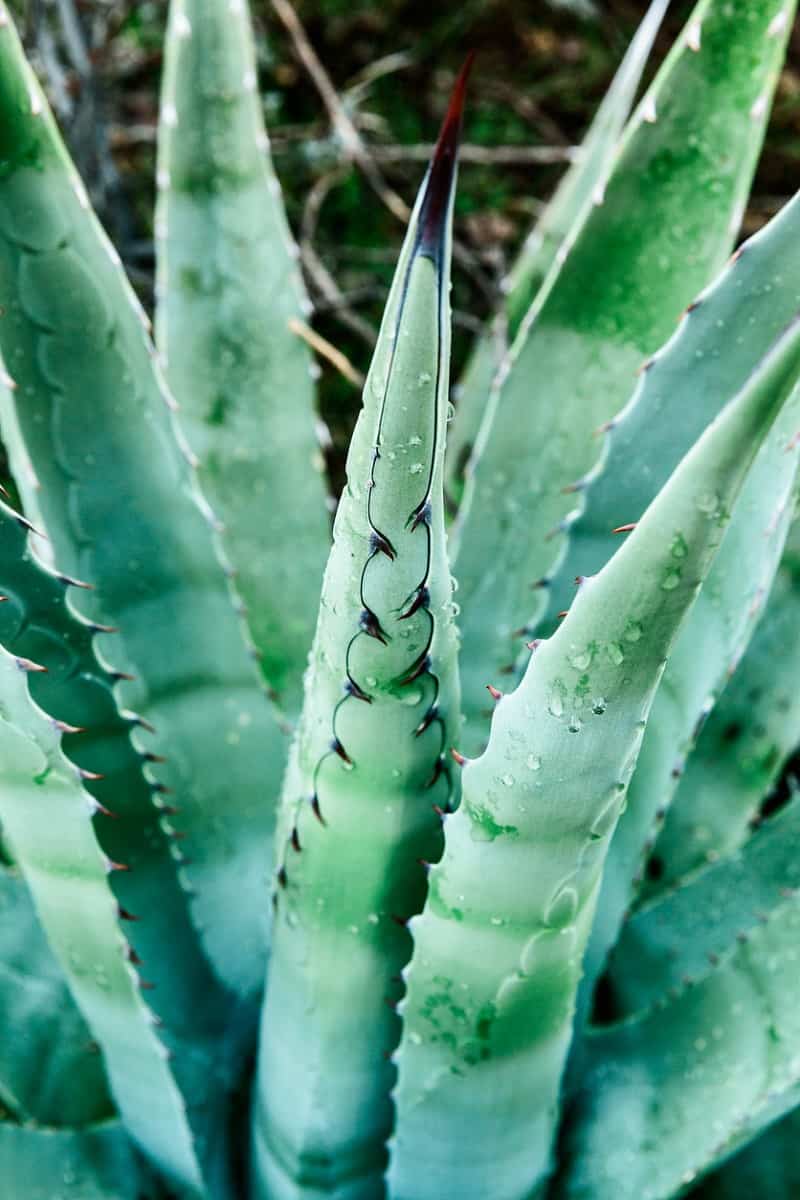
Is True Aloe Poisonous to Cats and Dogs?

The True Aloe is poisonous for both cats and dogs. Typical symptoms include abdominal cramping, diarrhea, lethargy, loss of appetitie, tremors and vomiting. True aloe are cultivated for many uses. It is sometimes grown  for decorative uses in homes and gardens. While some, take advantage of their medicinal and agricultural benefits.  This succulent plant originated … Read more

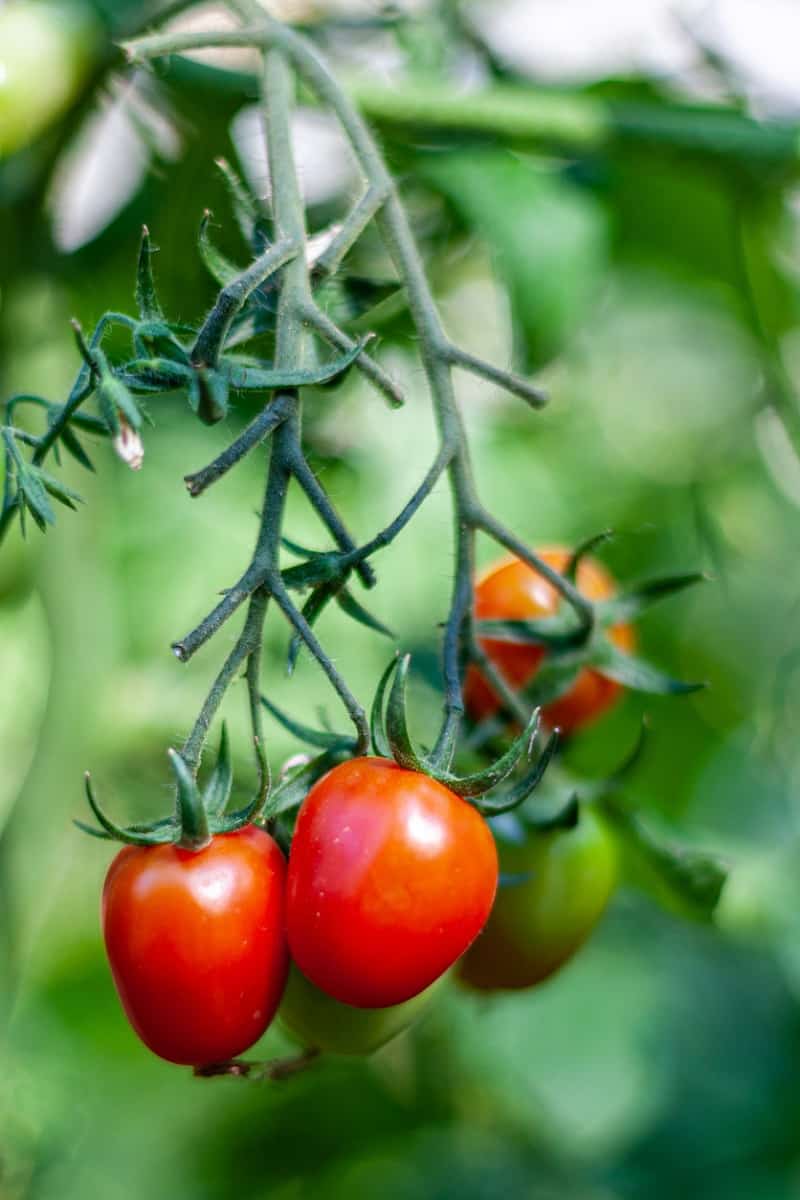
Is Tomato Plant Poisonous to Cats and Dogs?

The Tomato Plant is poisonous for both cats and dogs. Typical symptoms include confusion, depression, dilated pupils, drowsiness, excessive salivation, hypersalivation, inappetence, severe gastrointestinal upset, slow heart rate and weakness. Tomato Plant is a common staple in our homes. It is mainly cultivated as food and it originated with the indigenous peoples of Mexico. The … Read more

Is Morning Glory Poisonous to Cats and Dogs?

The Morning Glory is poisonous for both cats and dogs. Typical symptoms include excessive panting, hallucinations, increase in aggression, inability to stand, lethargy, stupor and vomiting. Morning glory is flowering plant that belongs to the Convolvulaceae, whose current taxonomy and systematics are in flux. It blooms in full in the early morning, thus the name … Read more

Is Daffodil Poisonous to Cats and Dogs?

The Daffodil is poisonous for both cats and dogs. Typical symptoms include abdominal pain, cardiac arrhythmias, diarrhea, drooling, large ingestions cause convulsions, low blood pressure, nausea, tremors, salvation and vomiting. Daffodil features white or yellow, with either uniform or contrasting coloured corona and tepals. The flower has six petal-like tepals surmounted by a cup- or … Read more

Is Winter Cherry Poisonous to Cats and Dogs?

The Winter Cherry is poisonous for both cats and dogs. Typical symptoms include depression, diarrhea, drooling, gastrointestinal disturbances, seizures, respiratory depression, shock and ulceration of the gastrointestinal system. Winter Cherry is perennial commonly grown as ornamental plants. However in countries like South Africa, Australia and New Zealand, it is considered as a weed. The name … Read more