Is Adam-and-Eve Poisonous to Cats and Dogs?

The Adam-and-Eve is poisonous for both cats and dogs. Typical symptoms include difficulty swallowing, drooling, excessive drooling, gagging, intense burning and irritation of mouth, tongue and lips, oral irritation and vomiting Adam-and-Eve’s gender related name refers to the plant’s likeness to male and female genitalia.  It also known to have a lot of names such … Read more

Is Garden Chamomile Poisonous to Cats and Dogs?

The Garden Chamomile is poisonous for both cats and dogs. Typical symptoms include allergic reactions, anorexia, contact dermatitis, diarrhea and vomiting. Garden Chamomile has solitary, terminal flowerhead that could reach up to 12 inches above the ground and shows off prominent yellow disk flowers and silver-white ray flowers. It is under its synonym Anthemis nobilis, … Read more

Is Calla Lily Poisonous to Cats and Dogs?

The Calla Lily is poisonous for both cats and dogs. Typical symptoms include dehydration, difficulty swallowing, excessive drooling, hiding from you, intense burning and irritation of mouth, tongue and lips, oral irritation, vomiting Calla Lily is an evergreen perennial plant that grows up to 3.3 ft tall with large clumps of broad, arrow shaped dark … Read more

Is Chamomile Poisonous to Cats and Dogs?

The Chamomile is poisonous for both cats and dogs. Typical symptoms include allergic reactions, anorexia, contact dermatitis, diarrhea and vomiting. Chamomile is low perennial plant found in dry fields and around gardens and cultivated grounds in North America, Europe and in Argentina. It  features procumbent stems, white daisy-like flowers  and leaves that are bipinnate, finely … Read more

Is Chinaberry Tree Poisonous to Cats and Dogs?

The Chinaberry Tree is poisonous for both cats and dogs. Typical symptoms include depression, diarrhea, excessive drooling, salivation, seizures, vomiting and weakness. Chinaberry Tree is a species of deciduous tree in the mahogany family, Meliacea which is native to Australasia and Indomalaya. When it matures, the tree displays a rounded crown and marble sized light … Read more

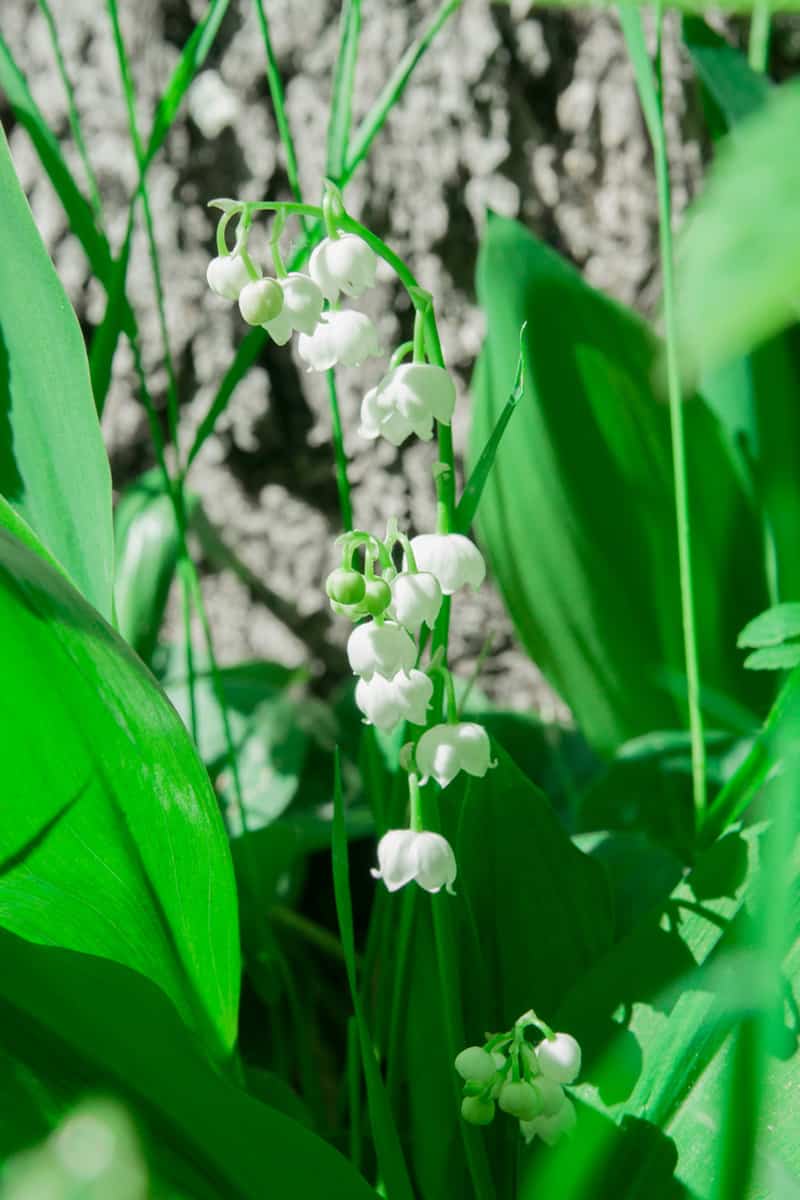
Is Lily-of-the-Valley Bush Poisonous to Cats and Dogs?

The Lily-of-the-Valley Bush is poisonous for both cats and dogs. Typical symptoms include cardiovascular collapse, coma, death, depression, diarrhea, hypersalivation, loss of coordination, low blood pressure, vomiting and weakness. Lily-of-the-Valley Bush is a small tree or a shrub that could usually grow up to 4 meters and sometimes could also reach up to 10 meters.  … Read more

Is Oleander Poisonous to Cats and Dogs?

The Oleander is poisonous for both cats and dogs. Typical symptoms include abdominal pain, colic, old extremities, death, depression, diarrhea, drooling, hypothermia and weak pulse. Oleander is the only species currently classified in the Nerium genus. It is a shrub or small tree dogbane family Apocynaceae which is poisonous in all its parts – considered … Read more

Is Madagascar Dragon Tree Poisonous to Cats and Dogs?

The Madagascar Dragon Tree is poisonous for both cats and dogs. Typical symptoms include abdominal pain, depression, dilated pupils, drooling, inappetence, increased heartrate, incoordination, loss of appetite, staggering, vomiting and weakness. Madagascar Dragon was formerly part of the family Dracaenaceae but then placed in to the family Agavaceae. The majority of this plant is found … Read more

Is Nightshade Poisonous to Cats and Dogs?

The Nightshade is poisonous for both cats and dogs. Nightshade belongs to the order Solanales, in the asterid group and class Magnoliopsida (dicotyledons). It consists of 98 genera and around 2,700 species in great diversity of habitats, ecology and morphology. This flowering plant ranges from annual and perennial herbs to shrubs, lianas, trees and vines. … Read more

Is Coffee Tree Poisonous to Cats and Dogs?

The Coffee Tree is poisonous for both cats and dogs. Typical symptoms include anorexia, contact dermatitis, depression, fatigue, increased heartbeat, loss of appetite and vomiting. Coffee Tree features an erect branch that can grow up to 24 ft. Its leaves are long and the blades are commonly ovate or elliptic and coarsely dentate or lacerate. … Read more