Is Roman Chamomile Poisonous to Cats and Dogs?

Roman Chamomile

The Roman Chamomile Plant is poisonous for both cats and dogs. Typical symptoms include allergic reactions, anorexia, contact dermatitis, diarrhea and vomiting. Roman Chamomile is a low perennial plant found in gardens and dry fields.  It has daisy-like white flowers and procumbent stems.  It is a popular herbal product known as chamomile. Aside from its … Read more

Is Pride-of-India Poisonous to Cats and Dogs?

Pride-of-India

The Pride-of-India Plant is poisonous for both cats and dogs. Typical symptoms include anorexia depression, diarrhea, excessive drooling, salivation, seizures, vomiting and weakness. Pride of India is known as poisonous to humans. It is a species of deciduous tree in the mahogany family Meliacea. This plant was introduced around 1830 as an ornamental in the … Read more

Is Buttercup Poisonous to Cats and Dogs?

The Buttercup is poisonous for both cats and dogs. Typical symptoms include anorexia, depression, diarrhea, hypersalivation, seizures, tremors, vomiting and wobbly gait. Buttercup can be perennial, biennial, herbaceous, aquatic or terrestrial plants, They are known to have extremely tough and tenacious roots and are considered as invasive weeds. They are characterized with leaves in a … Read more

Is Amaryllis Poisonous to Cats and Dogs?

The Amaryllis is poisonous for both cats and dogs. Typical symptoms include abdominal pain, anorexia, death, depression, diarrhea, hypersalivation, liver and kidney damage, tremors and vomiting. Amaryllis is a perennial plant widely grown as an ornamental plant. They grow with one or two erect stems and the inflorescence bears fragrant funnel-shaped flowers on a leafless … Read more

Is Orange Poisonous to Cats and Dogs?

The Orange is poisonous for both cats and dogs. Typical symptoms include dermatitis, depression, diarrhea, lethargy, photosensitivity and vomiting. Orange is a very popular cultivated fruit in the family of Rutaceae. They are well loved agricultural product because of juicy fruit and aromatic peel which can also be used in teas. The scientific name for … Read more

Is Sweet Cherry Poisonous to Cats and Dogs?

The Sweet Cherry is poisonous for both cats and dogs Typical symptoms include dilated pupils, difficulty breathing, excessive panting, vomiting, shock and red mucous membranes in the mouth. Sweet Cherry is deciduous tree native to the native to Maghreb, Europe, Anatolia, and Western Asia, from the British Isles south to Morocco and Tunisia, east to … Read more

Is Yew Poisonous to Cats and Dogs?

The Yew is poisonous for both cats and dogs. Typical symptoms include death, difficulty breathing, dilated pupils, drooling, dyspnea, muscular tremors, tremors and vomiting. Yews are slow growing trees or shrubs that grow up to 20 meters tall. They are widely cultivated for landscaping and ornamental horticulture since they tend to be long lived. The … Read more

Is Fig Poisonous to Cats and Dogs?

The Fig is poisonous for both cats and dogs. Typical symptoms include dermatitis, diarrhea, swolen mouth and vomiting. Fig is a flowering plant in the family Moraceae which is native to Australia and Asia. They are characterized with light gray smooth bark, simple and stalked changeable leaves, and light green and slightly wavy foliage. However, … Read more

Is Mint Poisonous to Cats and Dogs?

The Mint is poisonous for both cats and dogs. Typical symptoms include diarrhea, nausea, vomiting and weakness. Mint is herbaceous perennial plant that is native to Europe and southern temperate Asia, extending from Ireland in the west to southern China in the east. They are mainly cultivated to be used as flavouring and teas. Some … Read more

Is Ivy Arum Poisonous to Cats and Dogs?

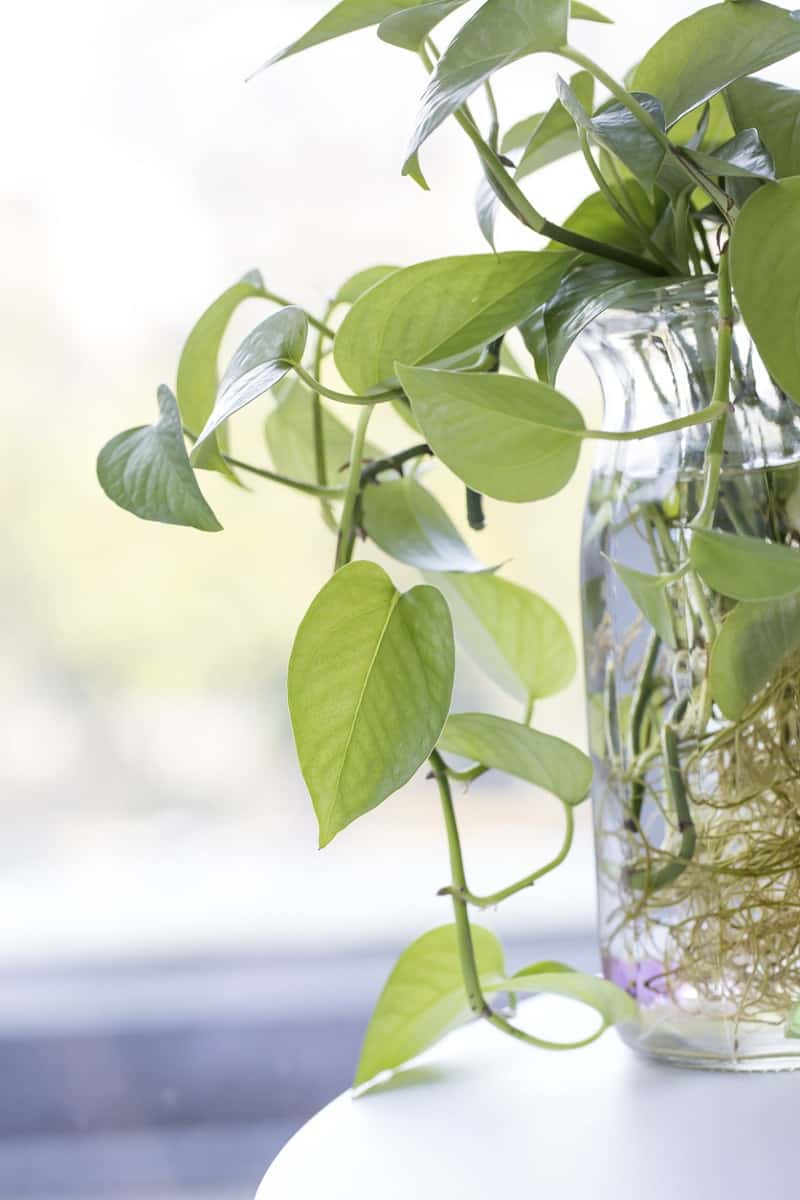
The Ivy Arum is poisonous for both cats and dogs. Typical symptoms include difficulty swallowing, drooling, dyspnea, irritation, oral irritation, renal failure and vomiting. Ivy Arum is a popular houseplant in temperate regions and has been naturalised in tropical and sub-tropical forests worldwide. It is also known as devil’s vine because it remains to be … Read more